In “Understanding Grief,” columnist Jane Brody portrays grief as a process that should not be rushed. She writes that grief “is not a problem to be solved,” but rather “a process to be tended and livedthrough,” “however long it may take.” Brody cautions against disparaging those whose “mourning persists longer than others think reasonable” because surviving grief entails “allowing pain to exist,” not “trying to cover it up or rush through it.” Brady’s portrayal of grief agrees with Nancy Berns’ argument in Closure. Berns critiques the idea of “finding closure” during the grieving process. She argues that “pain never completely goes away,” and that “hope and healing” can be achieved “without subscribing to the myth of closure” (Berns 46). Both Brody and Berns emphasize the importance of allowing grief to unfold naturally and without a timeline.
A Child’s Death Brings ‘Trauma That Doesn’t Go Away’

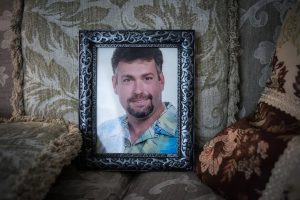
Journalist Paula Span focuses on the grief that comes with losing a child in her article “A Child’s Death Brings ‘Trauma That Doesn’t Go Away’.” Span discusses the unique hardships that come with the death of a child, especially as it “upsets […] life’s natural order.” She argues that it creates a “trauma that doesn’t go away.” Span details the experience of Anne Giotta, who lost her son Michael to a heart infection in 2013. Giotta reveals that she still “says the rosary for Michael” every morning, and that she still “[fights] with God an awful lot,” searching for answers for her son’s death. Giotta’s story mirrors that of Gordon Livingston in Closure. After losing his two sons, Livingston reveals that he will never “reach a point when [he will] no longer miss [his] children,” and that part of his heart is forever “buried with [his] sons” (Berns 47). Giotta and Livingston’s inability to find conventional closure following the loss of their sons supports the argument that grief often lingers.
How Long Should It Take to Grieve? Psychiatry Has Come Up With an Answer
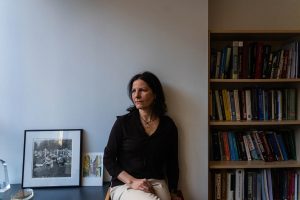

In “How Long Should It Take to Grieve? Psychiatry Has Come Up With an Answer,” correspondent Ellen Barry covers the backlash to the D.S.M.’s recent decision to include prolonged grief disorder as a diagnosis. Critics’ main argument is that “designation risks pathologizing a fundamental aspect of the human experience” as grief that lasts longer than a year is now considered abnormal. Barry also highlights the ulterior motives that propelled this change: Professor Jerome Wakefield argues that the clinicians put the D.S.M. under immense pressure to incorporate “prolonged grief disorder” so that they can “categorize” more patients and get reimbursed in return. Barry also covers the possibility that drug companies will take advantage of this change by persuading “the public that they need medical treatment” to overcome grief. The backlash that Barry describes aligns with Berns’s concerns in Closure: Berns warns that “medicalizing normal grief stigmatizes and reduces the normalcy and dignity” of pain, and that it opens the door to “unnecessary and potentially harmful medication treatment” (35). Ultimately, she says, “complicated grief is most often normal” (52).