La Spedizione Siciliana

Italian 3008 – Spring 2016 – Professors Barbara Weiden Boyd and Davida Gavioli

  • About
  • Authors
  • LoginPress
  • About
  • Authors
  • LoginPress

Holy Garden and Oranges

March 25, 2016 By agorman

  
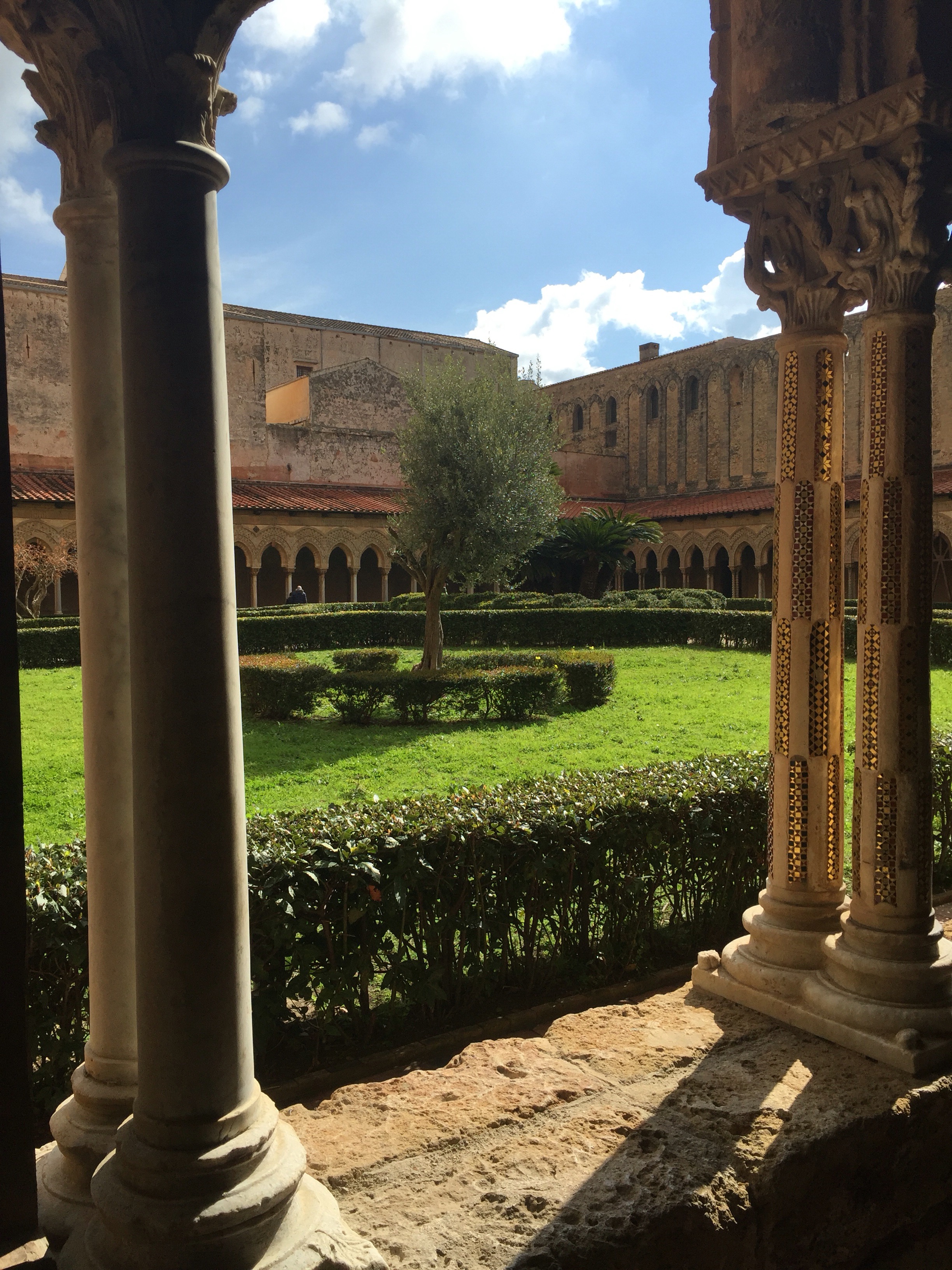
Situated in the lovely mountain town of Monreale, this enclosed garden offered a beautiful mix of nature and artifice. With Byzantine, Islamic, and Norman influences, the eclectic architecture complemented the wide array of wildlife (birds, lizards, even a dragonfly!).

Later, in the village square, David and I espied and desired a wild orange. We picked and are it, and shared around. We later discovered that it was (aptly) named the “inedible” orange.

Sometimes when you roll the dice, you come up short

Angus
Filed Under: Sicily

Piazza and First Garden

March 25, 2016 By agorman


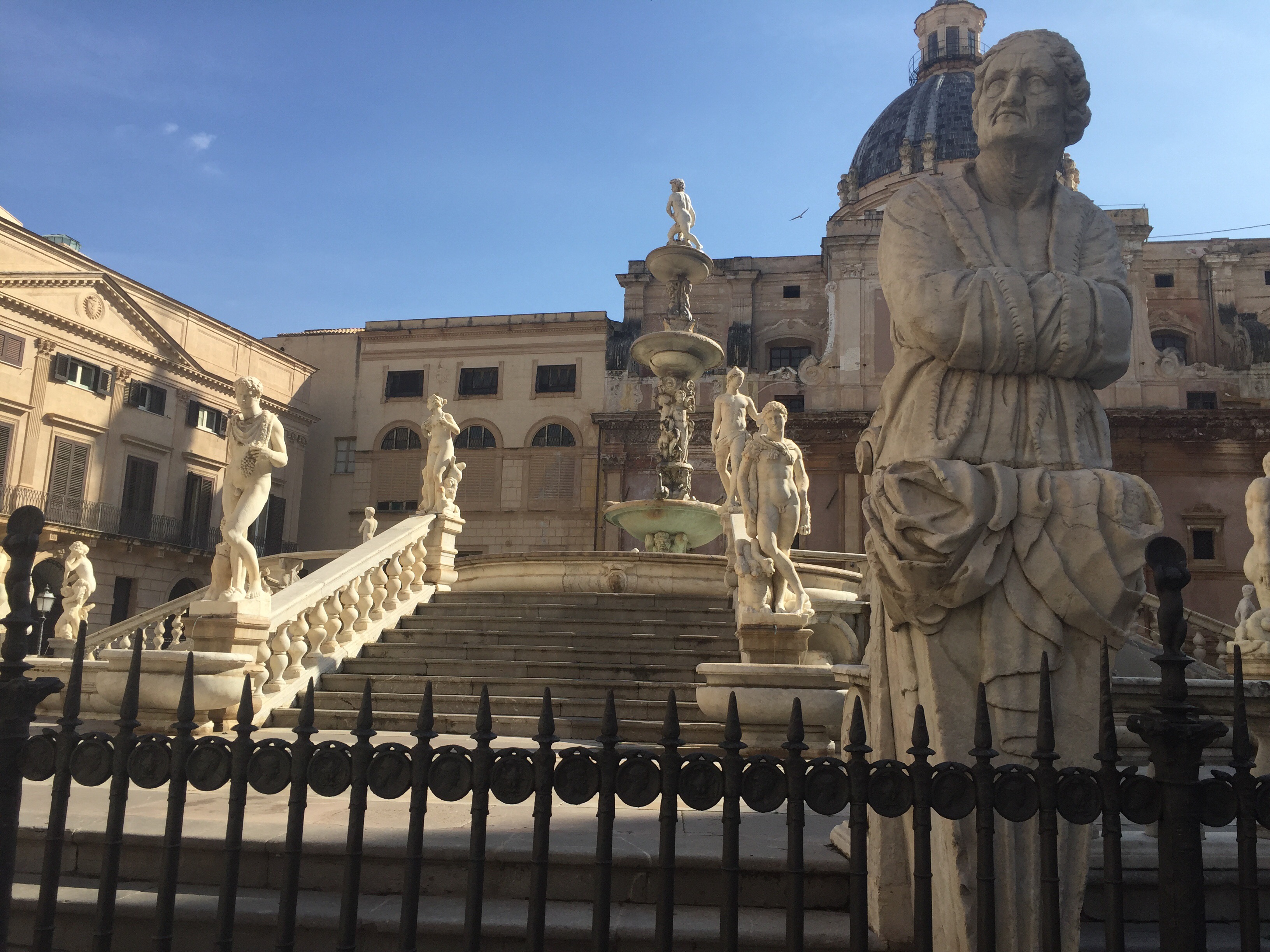
This old fountain in Palermo was full of gods and goddesses. It was interesting to see the pick-and-choose pantheon represented by the artist. While some very minor characters – nymphs, triton – were depicted, some major gods – Zeus? – were left out. I guess some gods make better statues than others.

Later on we went to a public garden, near the shore. This garden was amazing; beautifully kept hedges in geometric design, tasteful statuary, and no litter. And all for free?

   
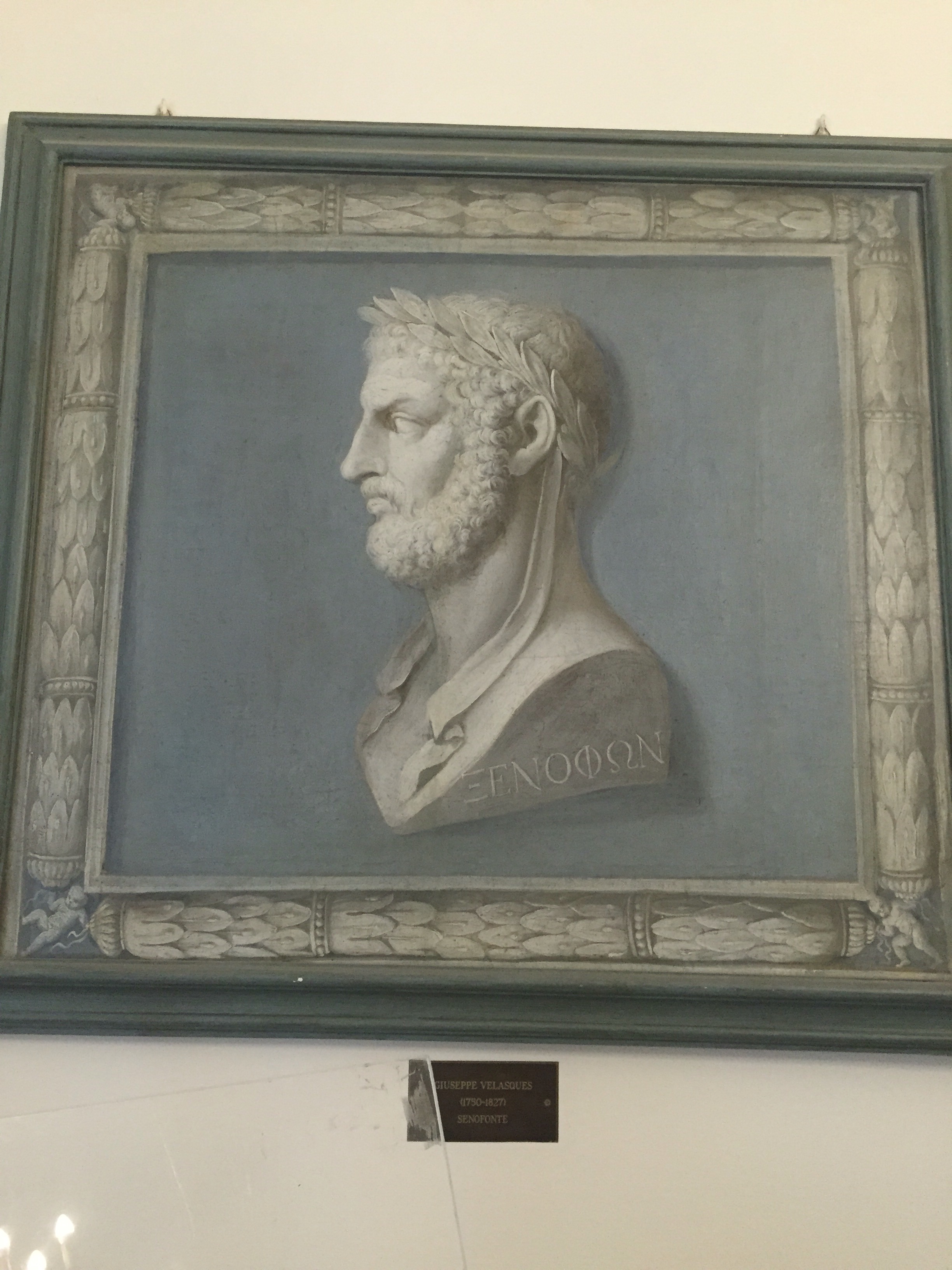
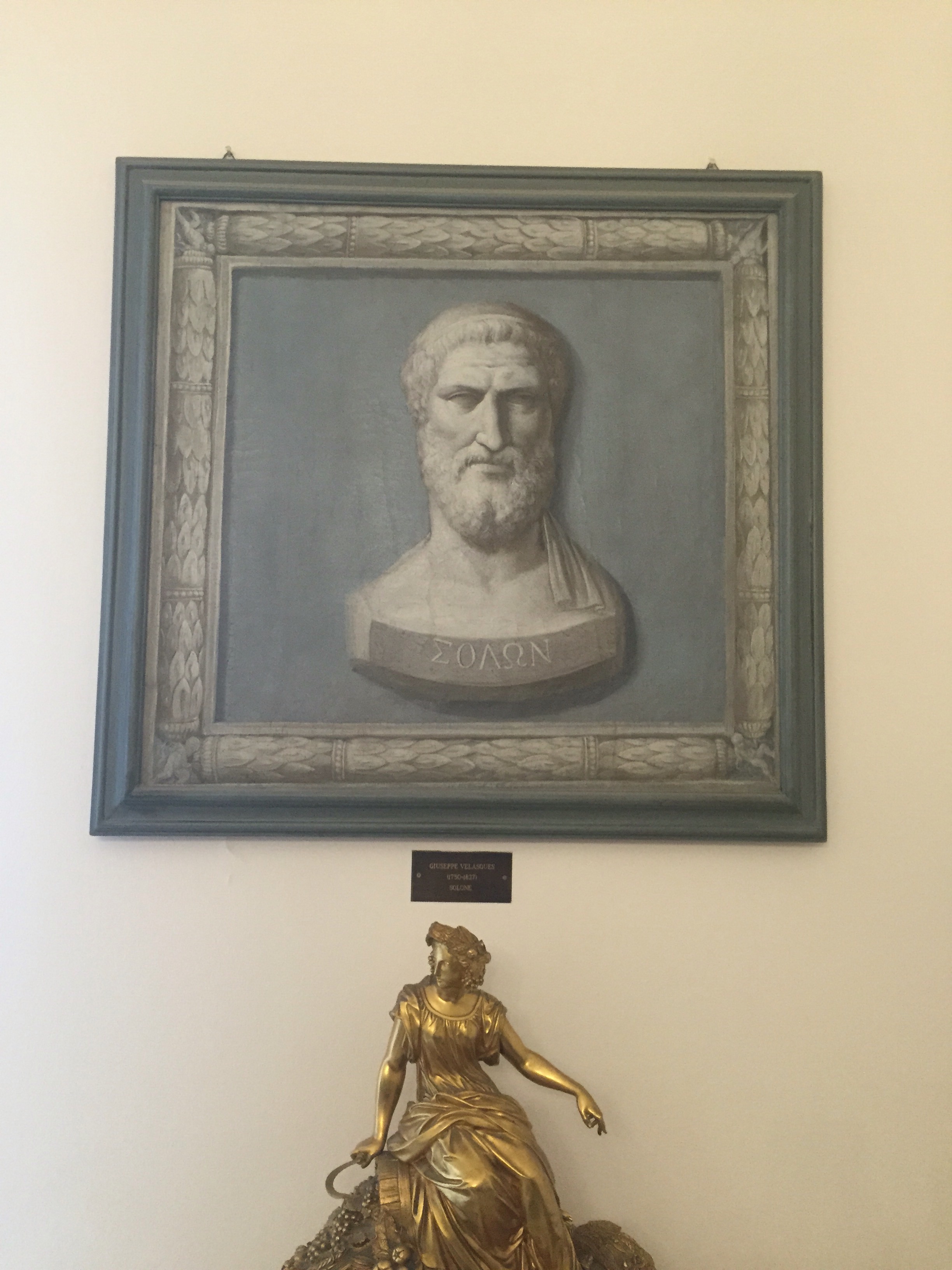
 Also check out these paintings of Xenophon and Solon in the doge’s palace! 🌞

Angus

Filed Under: Sicily

Meditations on Weather

March 25, 2016 By agorman

  
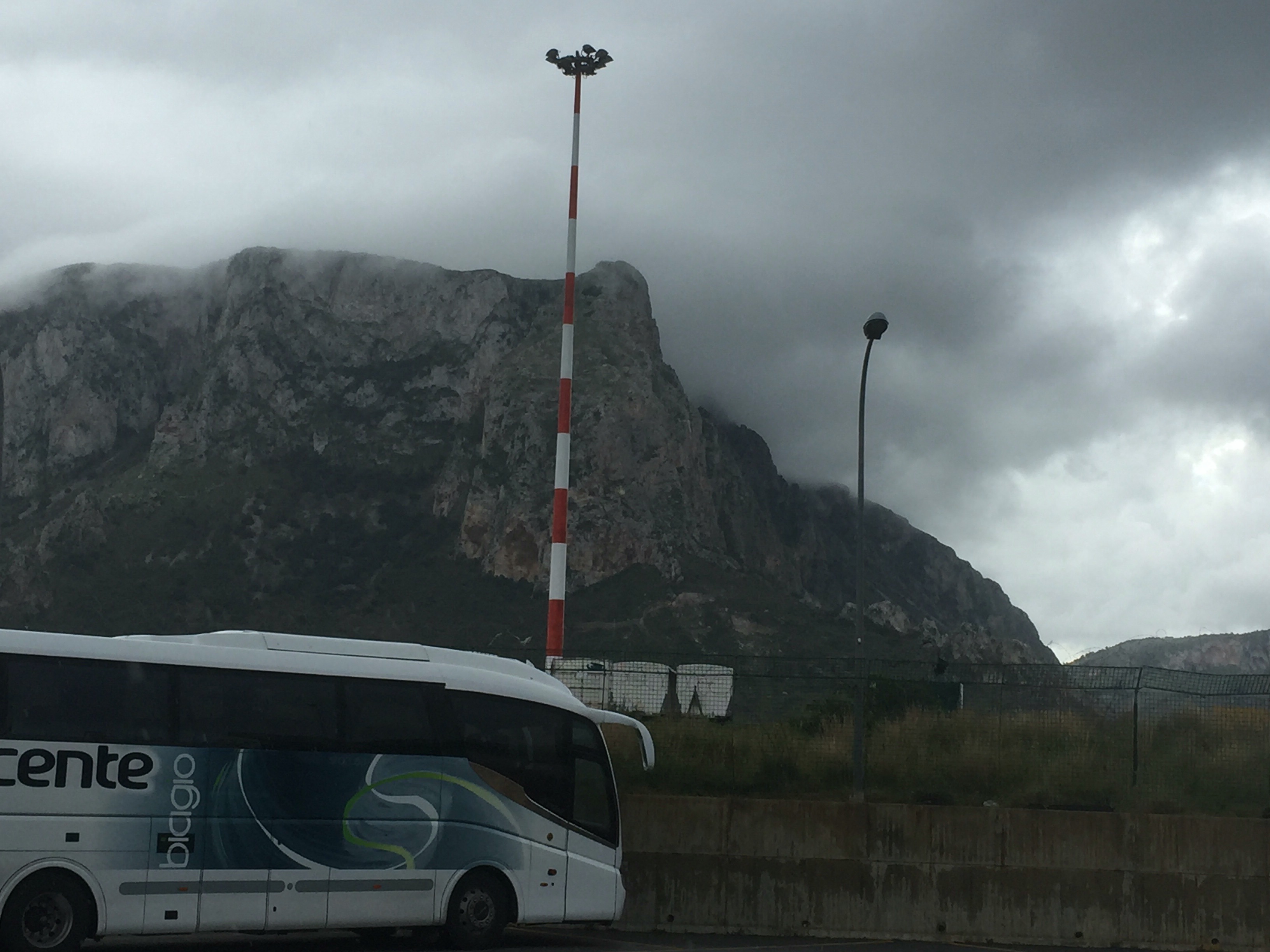
After spending a grand total of five minutes on the island, we got our first taste of Sicilian weather: clouds and rain appearing out of nowhere, followed by beautiful sunshine.

The mutability of Mediterranean weather surprised me, but it also helped explain why Zeus was considered the chief deity of ancient times. It would be hard to imagine ancient New Hampshirans worshipping a thunder god when it only storms once a month.

Angus

Filed Under: Sicily

Mt. Etna

March 25, 2016 By dbanks

IMAG0457

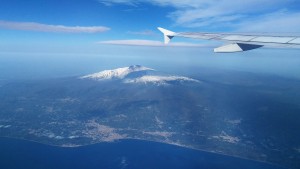
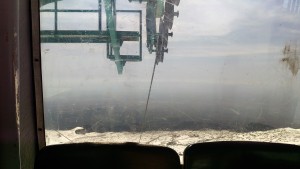
On our last full day in Sicily, we wound our way up the road to Mount Etna.  The ski resort there wasn’t exactly what I had imagined for Aetna, the volcanic forge of Hephaestus and his cyclopean servants, positioned above the monstrous, flame-spewing Typhon.  I mean, it’s still an active volcano now!  Come on, people.  The entire image of the place just seemed so far removed from the classical representation of raw destructive power.  In a world where its volcanic rock is utilized for construction in the nearby Catania, it seems that Etna is no longer the fearsome icon it used to be.

IMAG0447

Filed Under: Sicily

The Theater at Syracuse

March 25, 2016 By dbanks

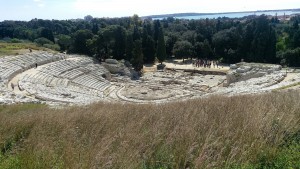
In Syracuse, the group went to an archaeological park that housed a Greek theater later modified by the Romans.  This theater highlighted some of the differences between Greek and Roman construction and culture.  First, just like we witnessed in the other Greek theater at Segesta, this theater would have had amazing acoustics, allowing the entire audience to hear the performers clearly.  And speaking of engineering, this theater was carved right out of the hillside according to the Greek custom.  The Romans, on the other hand, didn’t need to do this because of their superior engineering.  In general, the Romans used this skill to distinguish themselves from the Greeks with more grandiose theaters.  For example, instead of the modest Greek σκηνη (scene or set), the Romans made the permanent scaenae frons, which would have blocked out the natural backdrop with its multiple stories.  In the case of this theater specifically, the Roman set would have blocked out the ocean backdrop (which is ironically now blocked by trees).  The Romans were also much more concerned with effects.  In this theater, the Romans added a hole or trapdoor in the orchestra from which actors could make surprise entrances or various other effects could be produced.  This theater helps to directly contrast Greek and Roman theater construction and practices.

Filed Under: Sicily

  • « Previous Page
  • 1
  • …
  • 12
  • 13
  • 14
  • 15
  • 16
  • …
  • 26
  • Next Page »

Authors

  • abradley
  • aglynn
  • agorman
  • alamont
  • bboyd
  • cdewet
  • dbanks
  • dgavioli
  • djohnso
  • dvargas
  • gmaslak
  • jglewis
  • jhartley
  • kgilmore
  • kvise
  • mcolbert
  • mkim
  • ssim
  • vwu
  • About
  • Authors
  • LoginPress

courses.bowdoin.edu