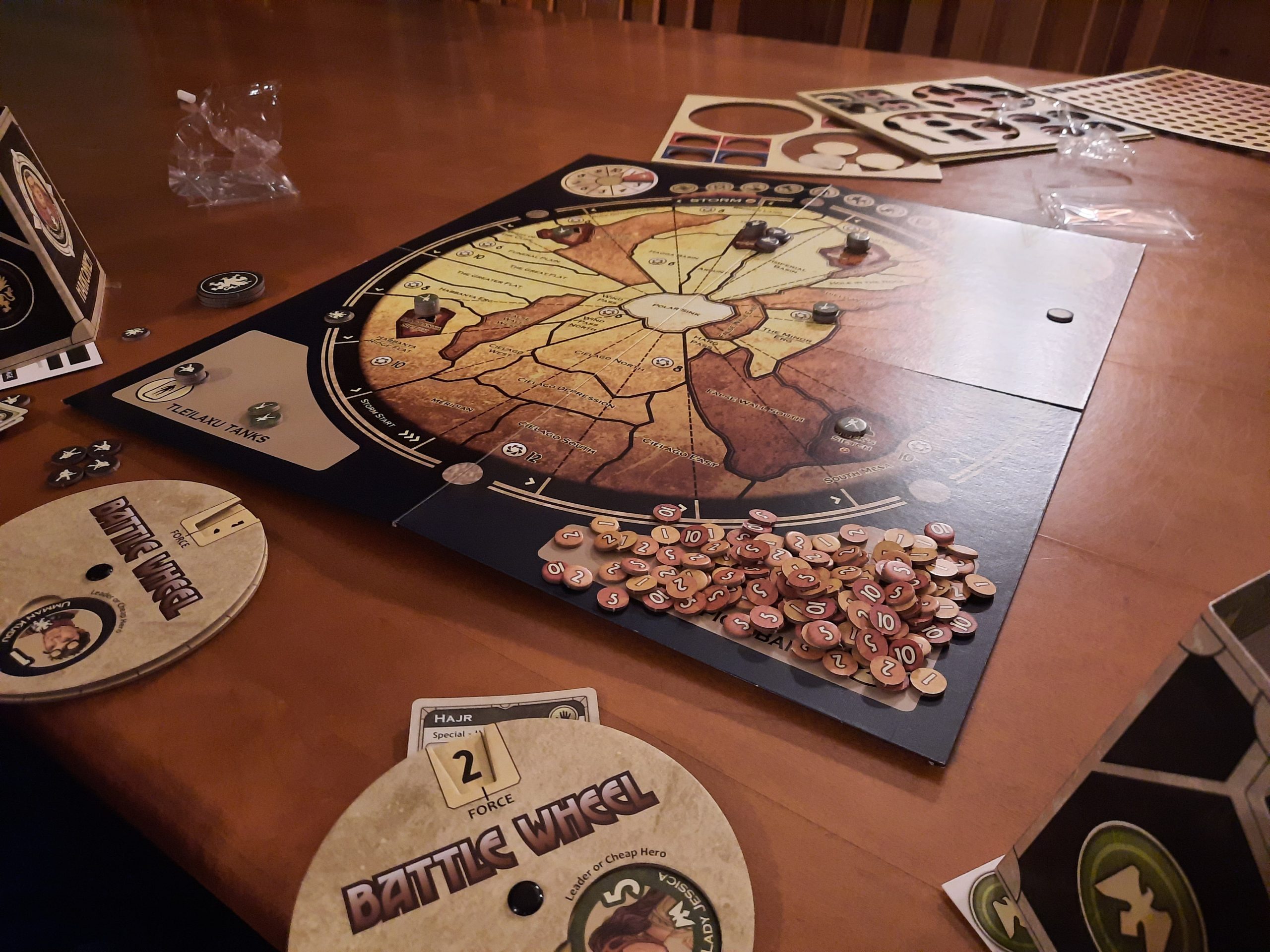
This project, exemplified by the images below, has made me realize how much science fiction is an integral part of my life. My mother raised me on Scifi, my favorite book is Dune, my hairs on my arms stand on end every time I hear the opening theme for the Star Wars movies. In my free time, I watch videos ranking all of the Jedi grandmasters by combat power, knowledge of The Force, and wisdom. My journey through the internet archives of science fiction content wasn’t particularly academic, but it is a fairly accurate reflection of how I usually spend my time on the internet. Going through these images, there are clear connections to the topics, the content, the media that I think about on a daily basis. Even the protracted rants that I’ve been posting on this website show up in the themes captured by Voyant.

This word cloud shouldn’t be a surprise to anyone. The most common terms are Dune, Jedi, Atreides, Galactica, and Battlestar; terms that paint the story of my rereading Dune for the umpteenth time and then spending countless hours buried in discussion boards and official fan pages, trying to understand the interworking of the Bene Gesserit or how they impregnate worlds with a legend. It’s no coincidence that these terms come from three of the most thoroughly developed, deep, complex, and powerful science fiction narratives in history. These were universes that I couldn’t, and can’t, get enough of.
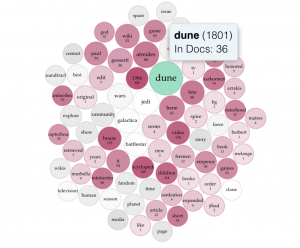
Just taking a look at the sheer number of words related to “Dune” (My most researched subject area), I think it becomes clear why I devoted so much time to exploring these universes. There is an incredible amount of depth there, so much time and effort put into building a story that makes sense. Dune, Star Wars, and Battlestar have been fleshed out and poured over to such a degree that their characters can have motivations and feelings and reasons for doing the things that they do. I connect with and love Star Wars, in part, because I grew up with Star Wars. It showed me that the more I learned about these massive narratives, the more interesting and engaging the narrative becomes. And I learned that when I fully engage with a narrative, that is when the story starts to teach me things.
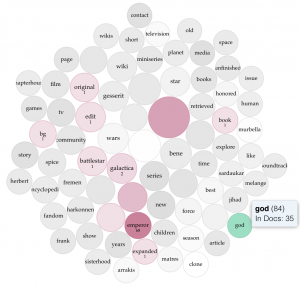
This termsberry exemplifies my point, I think. The Dune series helped me navigate my feelings about God or gods. As I’ve discussed in previous posts, the story of Paul Atreides is a beautiful way of thinking about issues of fate, godliness, and an individual’s capacity to affect the course of history. Of course, there are other, more efficient ways to address these questions, and I’m sure that the philosophies discussed in Dune are reminiscent of one philosophical tradition or another. I am not, however, a philosopher. Broadly speaking, dry academic treaties do not compel me to invest emotionally in an issue or reflect on how I feel about that issue for myself. The depth of these Scifi stories allowed me to empathize with their characters. When these characters struggled, I was pushed to emotionally and intellectually process those struggles. In many ways, I am grateful to these stories. I love them and they are a part of me now, of how I see the world. I hope these Voyant visualizations can provide some insight into how meaningful these stories have been for me.