Inspiration – Favour Ofuokwu

Leslie Hewitt, Riffs on Real Time (3/10), 2006-09, Chromogenic Print, 30 x 24 in
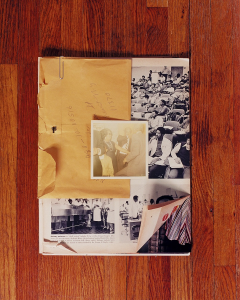
This image incorporates the collage technique and utilizes text in a way that makes the photo look like a story. I also really like it POV is as if the viewer is looking down at the image. This is a technique I was thinking or incorporating in my own project.


Latoya Ruby Frazier, The Notion of Family https://aperture.org/shop/frazier-notion-of-family-pb

Latoya Ruby Frazier says in a video describing this photo book that it is, “More than an art book. It’s more than a photography book. it is a history book.” With my project, I hope to go through the history of many of my family members through images, giving the viewer the opportunity to see how people have not just aged but taken on new identities through time.


Carrie Mae Weems, The Kitchen Table Series, 1990
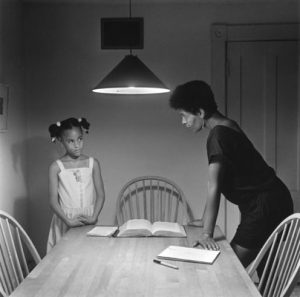
I am assuming that the relationship between both of the subject is that of mother and daughter. It looks that the mother maybe scolding her daughter, which is one aspect that encompasses the relationship between a parent and child. This relationship is something I would want to incorporate in my work as well.


Lorna Simpson, Easy Way to Remember, 2001, Film, 16 mm film transferred to DVD, 2.35 min looped https://denverartmuseum.org/exhibitions/lorna-simpson

I’m a little obssess with the ways a person can be remebered even as they wither through time. Photographs are a tool that help us remeber aspects of an individual.


The first five minutes of this video was moving, and exactly what I would want to achieve with this project and future work.

“Questioning what has been left in and what has been left out. And what is my relationship to what has been made historically and what has been left out. So then, how to reframe, hot to reposition, and how to insert for the first time, a body that has not often been there. Or to pull forward a body that rests in the background. It’s very difficult because at a certain point you realize that ‘I’m not his subject.’ This historical body has not been for the most part, the subject of these great painters. From the 19th century or the 20th century or as we move into the 21st, it is not apart of their imagination. It is not apart of their fantasy. But of course, art has a great to do with imagining the unimageable.”

Article from CNN https://www.cnn.com/style/article/photography-nigerian-brides/index.html

My Nigerian Ethnicity is an important part of my identity and I want to incorporate it in my project by showcasing Nigerian textiles as the background.


Article from Fast Company https://www.fastcompany.com/3017076/what-old-family-photo-albums-teach-us-about-creativity

My final project is based on going through my families old photo albums. Erik Kessels’ exhibit is essentially an enlarged photo album which would be an interesting concept to potentially explore.

Amanda Greene, Rejoice https://www.aint-bad.com/product/books/amanda-greene-rejoice/

This photo book looks vibraint and coloful. Initially, I decided that the photos I would produce would be in color, so this is some indpiration. I really like in this photo book, Greene “explores ideas of time and history,” and how people and places change overtime.


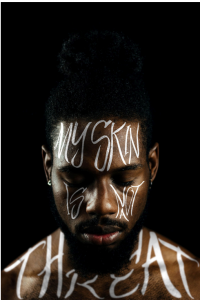
Trent Went, https://trevorwentt.pixieset.com/printshop/      
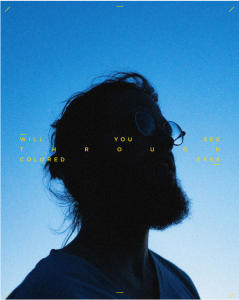
These 2 photographs are by the same photographer that I cam across on youtube and fell in love with his work. I really like the idea of incorporating words with an image and sending out an explicit message written on the photo.
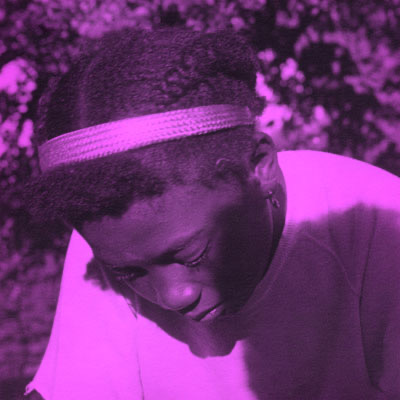
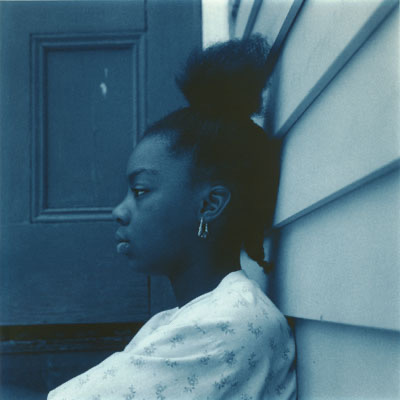
Photo Books that inspire me

Patty Carroll : Domestic Demise

This photo book inspires me because of its highly saturated and composed images. I haven’t had the opportunity to play around with color and I admire the cohesion of color, but also somewhat chaotic domestic scenes that she produces in these images.


Dan Farnum : Young Blood

In thinking about my subjects, I admire the way this photo book highlights images of everyday people. The lighting on their faces, the expressions they make, and overall quality of the photos is something I enjoy and would like to try to achieve myself.

Photos That Inspire me- Part 1

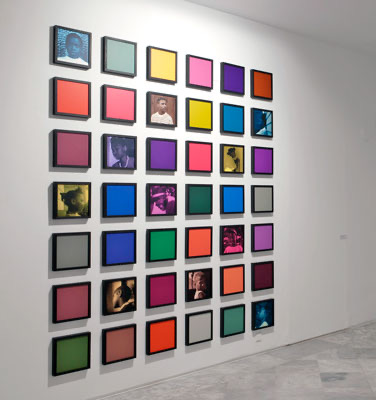
Carrie Mae Weems, Colored People, 1989-1990

I love how Weems makes a statement with the use of vibrancy and color in these photographs, while at the same time she makes a bold statement about race by titling this piece colored people. This work is inspiring to me because it takes what was deemed negative and associated with a particular image of “black vs white” out of Jim Crow and she decides to instead focus on color and the representation of Blackness within this vibrancy.

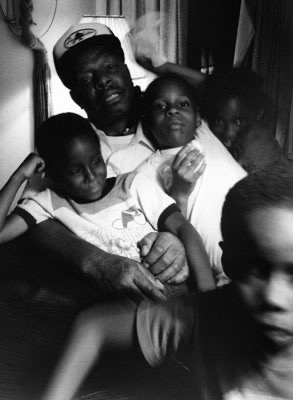
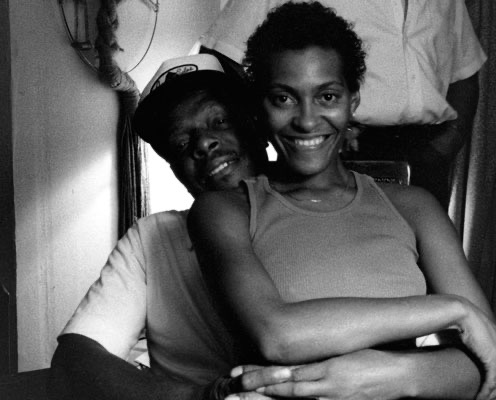
Carrie Mae Weems, Family Pictures and Stories, 1981-1982

These images stick out to me because of the stories they tell. I admire Weems’ ability to capture everyday life while also making a statement. This is something I’d like to experiment with.

Wendy Red Star, Apsa’olooke Feminist 3, 2015, Photograph: Portland Art Museum

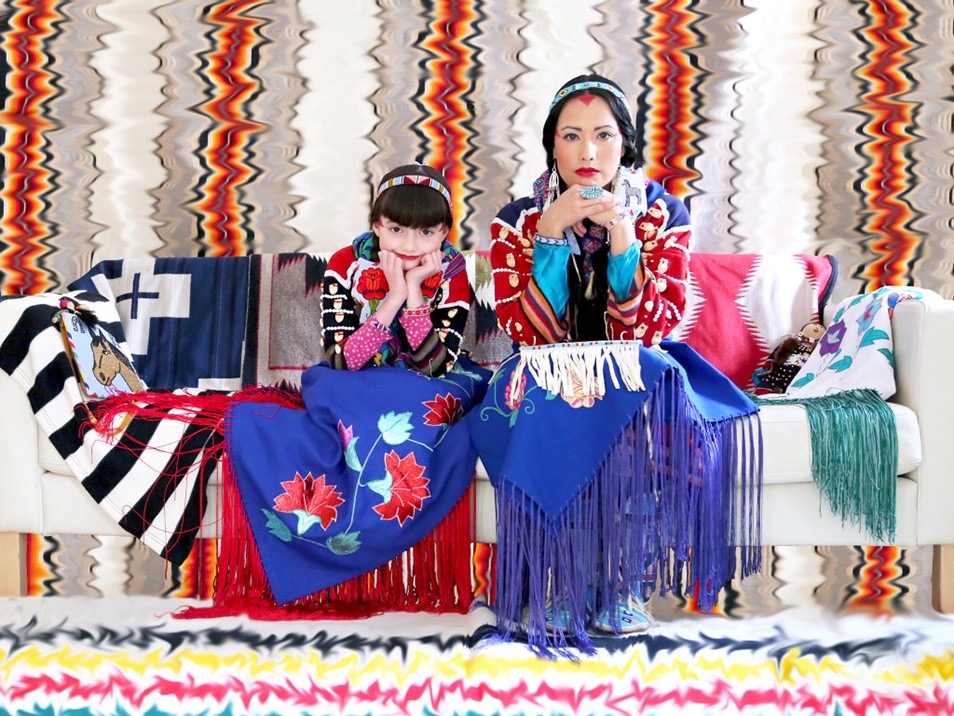
This photograph by Wendy Red Star is interesting as it responds to existing photography surrounding the depiction of Native Americans. I love the contemporary twist along with the vibrancy that flows all around this image.

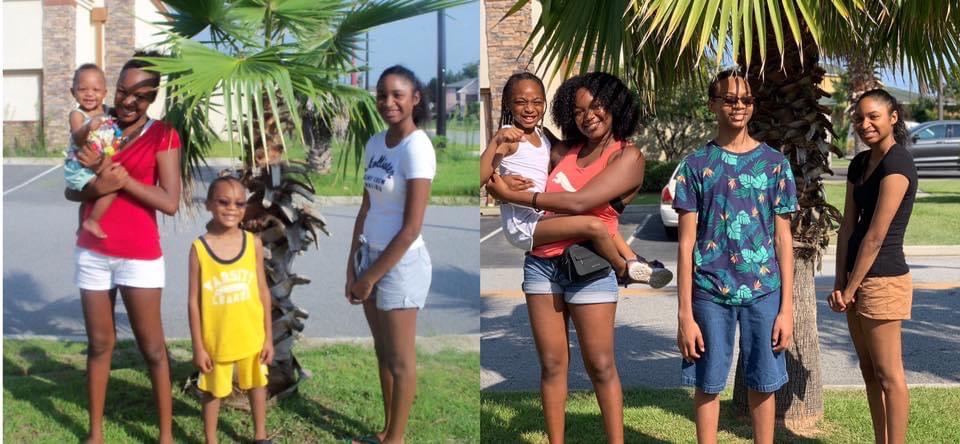
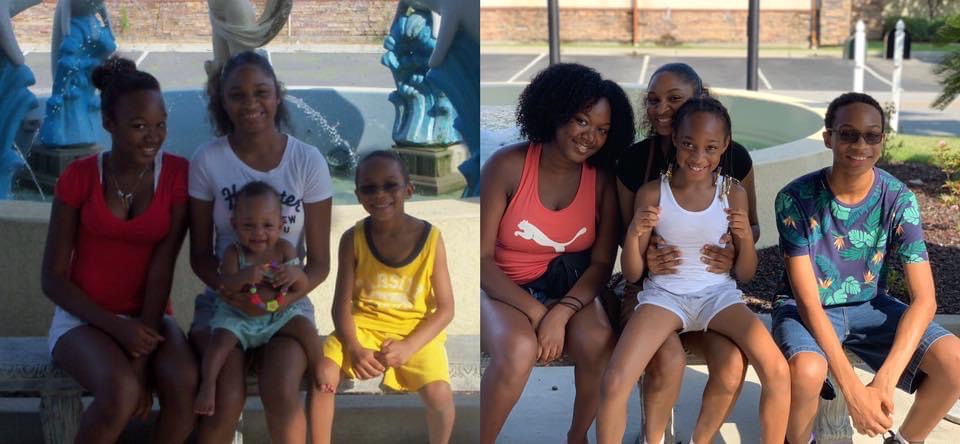
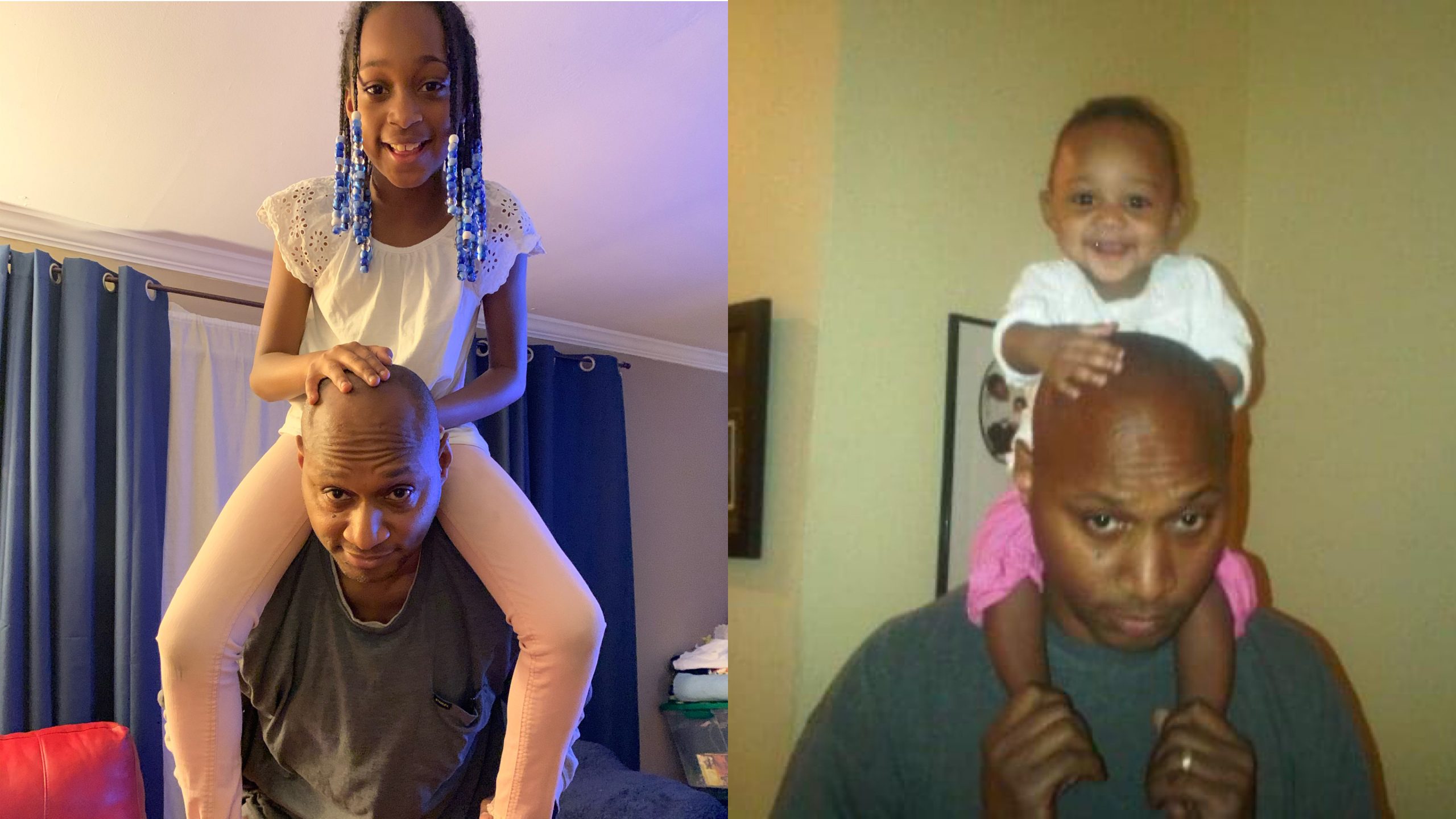
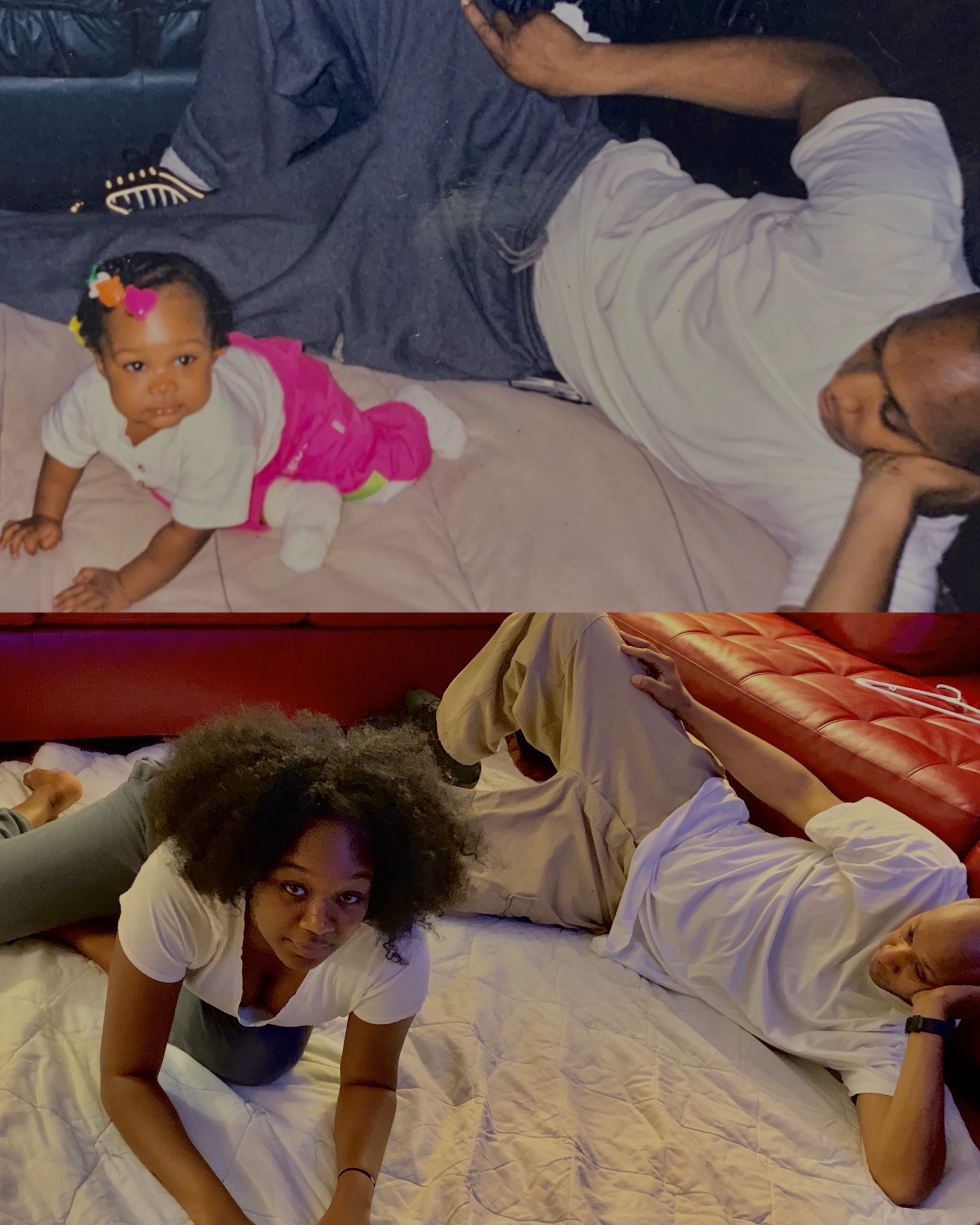
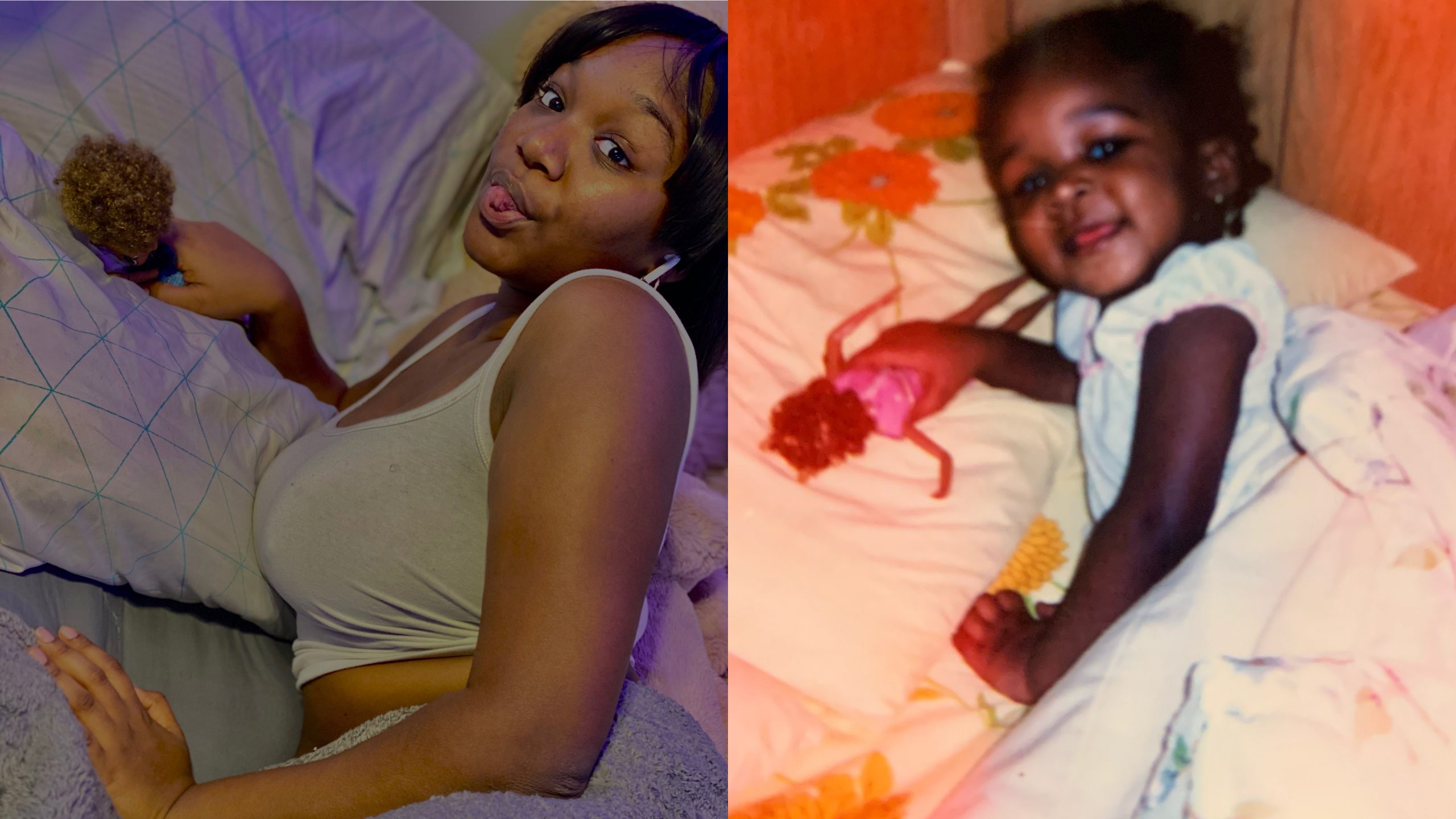
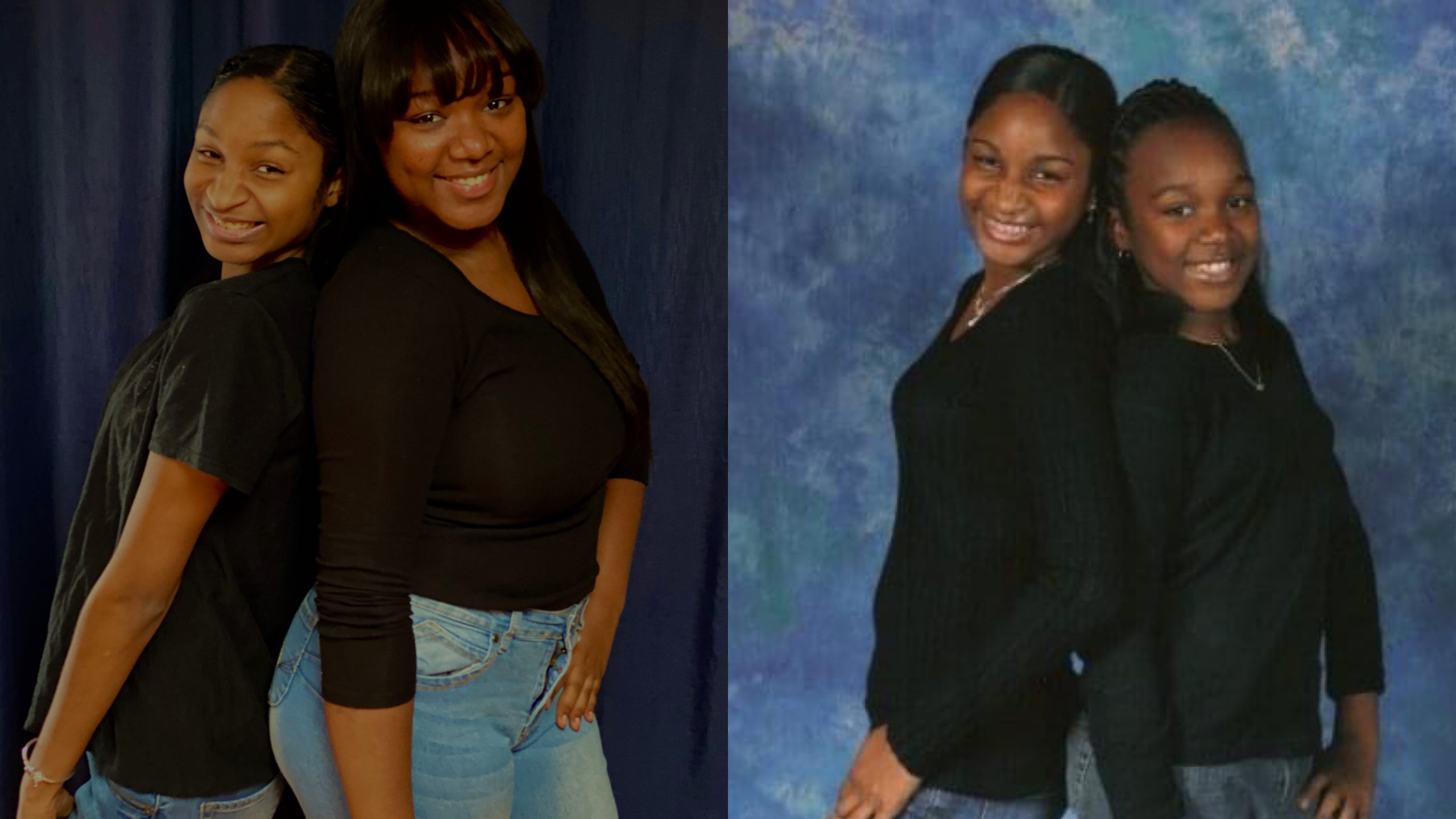
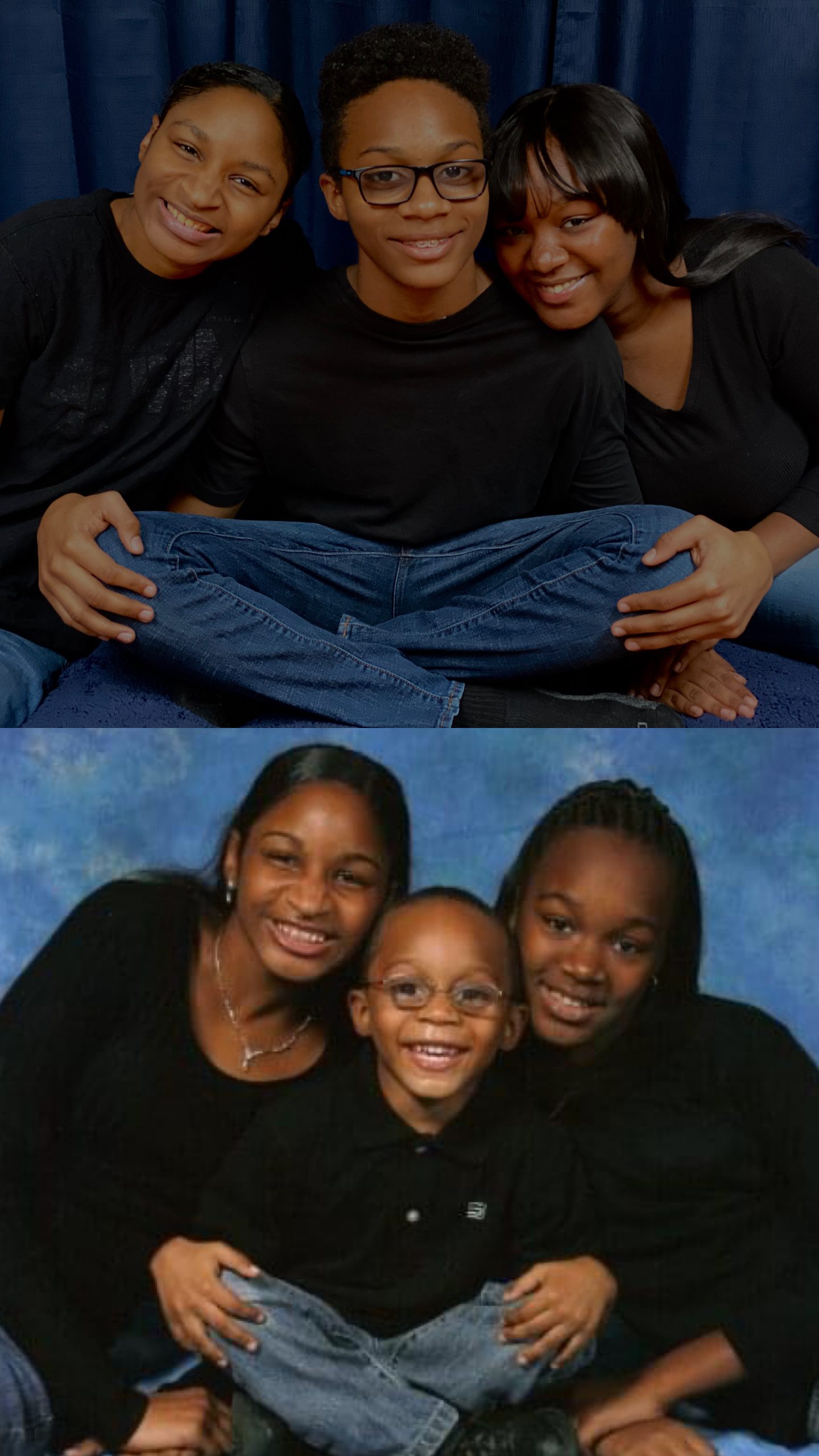
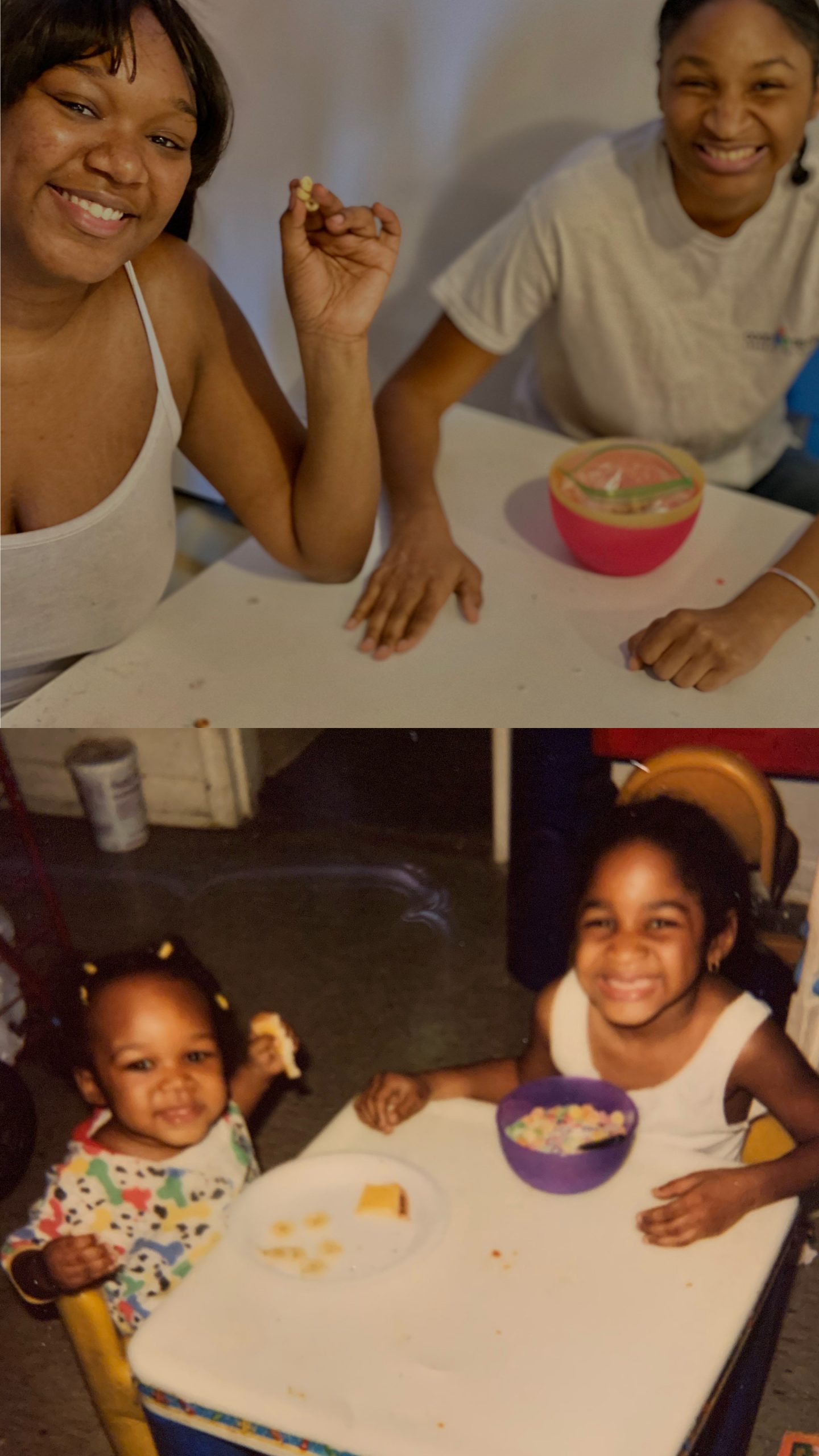
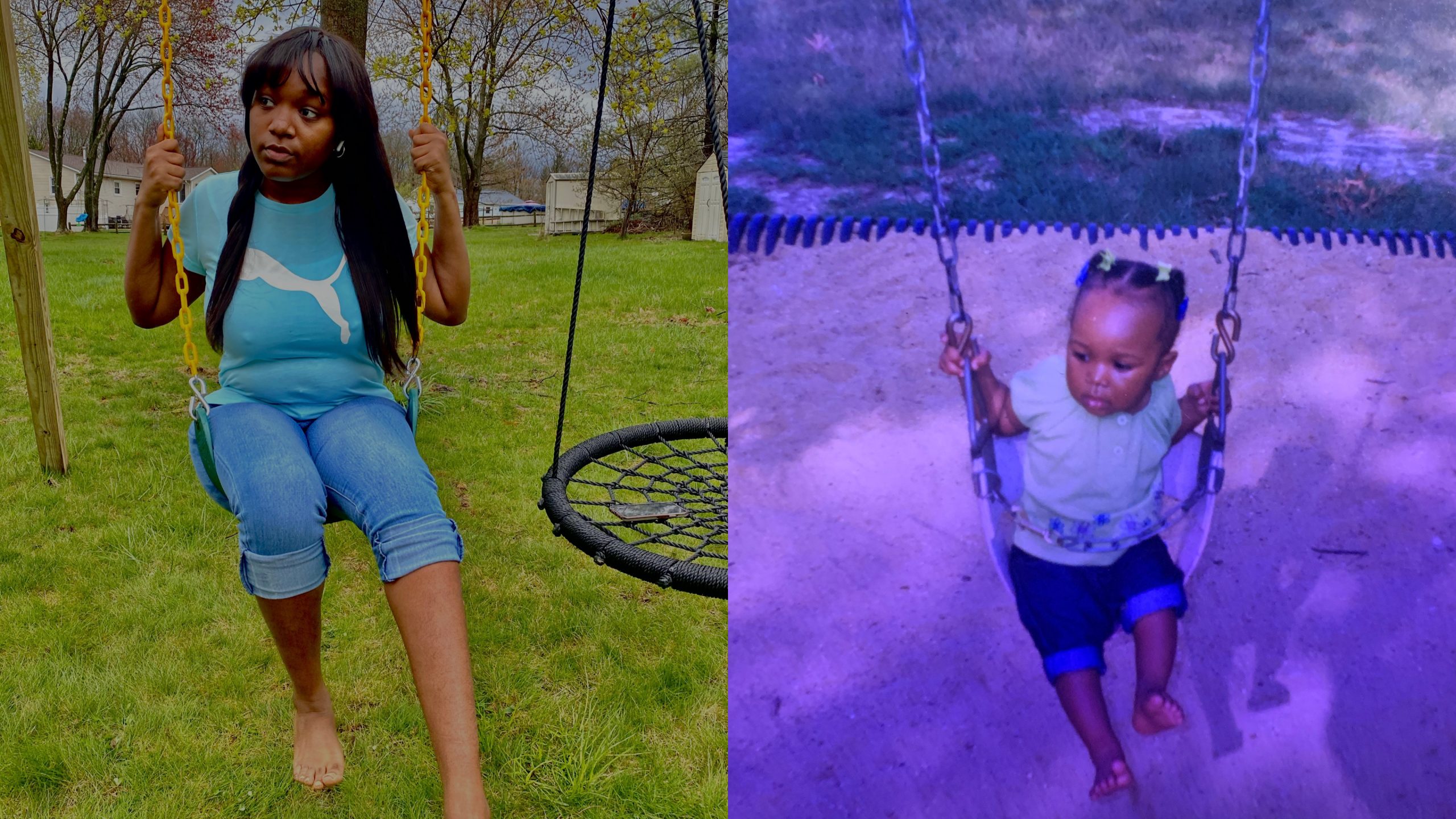
Then and Now- Destiny Kearney

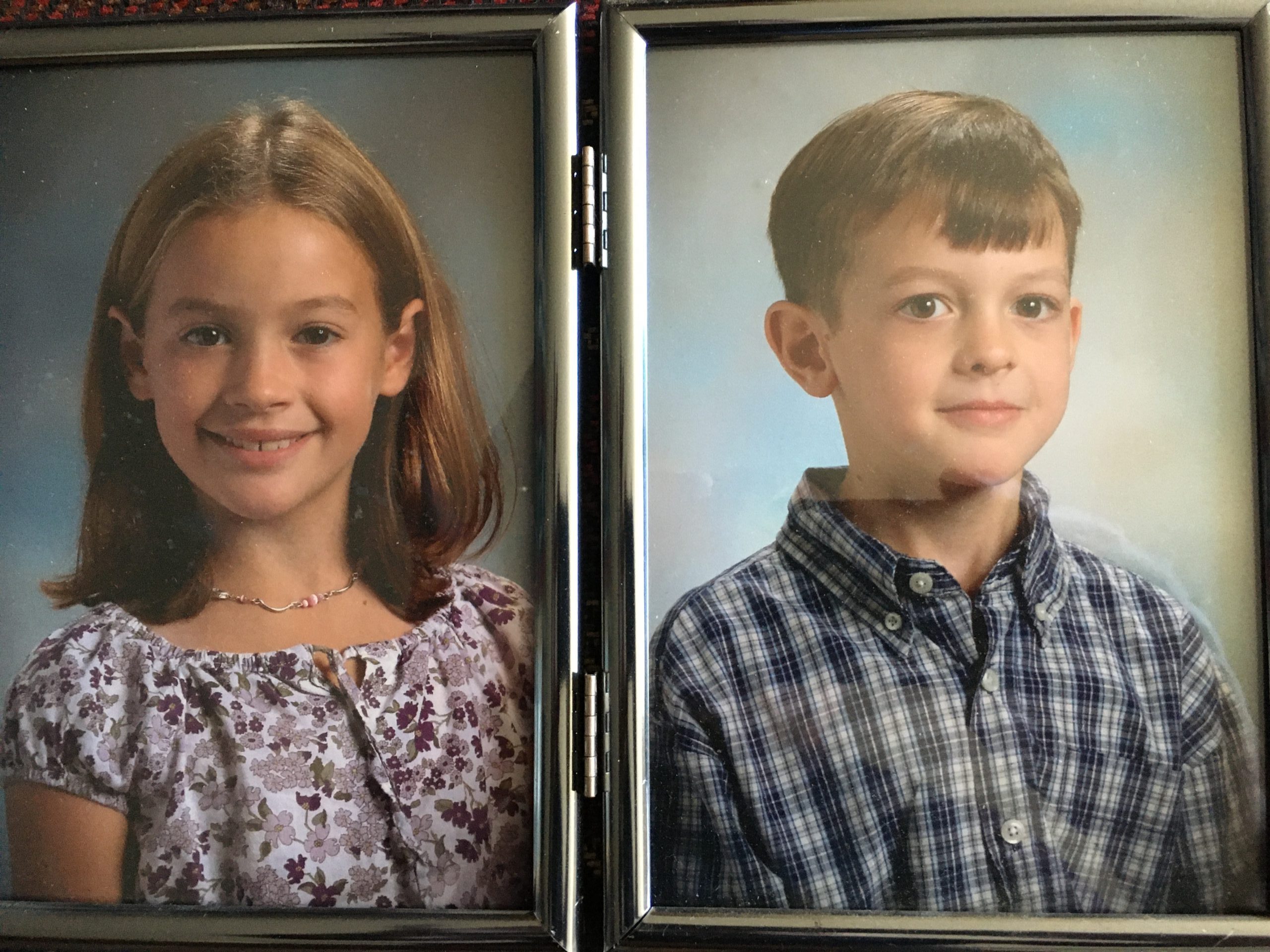
For these photographs, I decided to take pictures from my family photo archives and recreate them the best way I could. It was a fun activity for me because I got to find old images, but also include my family in the process of recreating them. Looking at these images now, I notice the growth and aging that I’ve overlooked. This activity brought put laughs and memories, and although we are in a global pandemic, it’s allowed me time with my family that I haven’t gotten since I’ve been in college. I hope to continue this as time progresses to continue the act of storytelling through photographs.


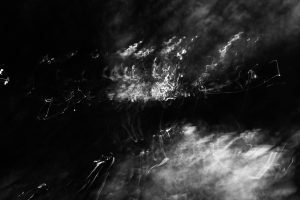
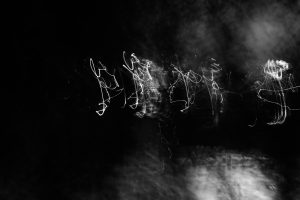
Part 2: I Love It So Much I Had To Make One Myself

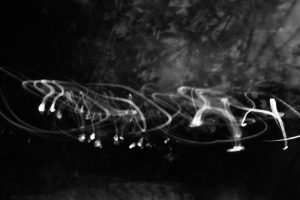
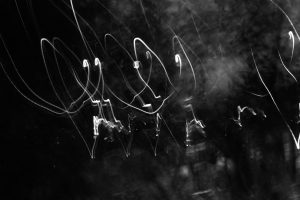
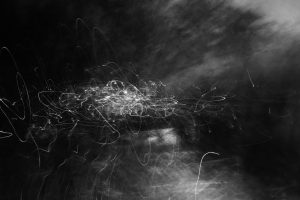
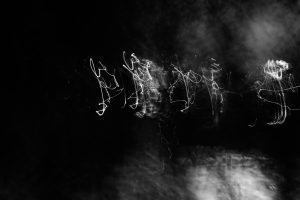
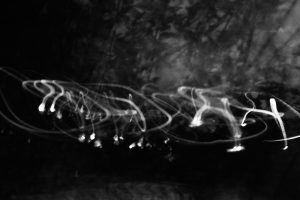
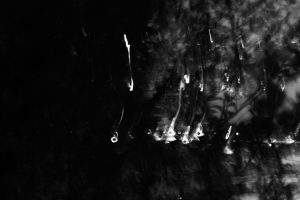
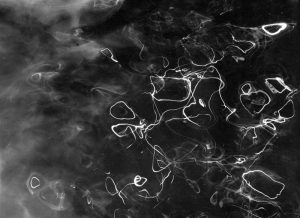
I chose to try to recreate Harry Callahan’s “Sunlight on Water” because the way he played with light was something I wanted to try to replicate. It was difficult to recreate the way the light moves in his photo but I tried to trace the light as it looks in his photograph. This was something we looked at when we worked with long exposure which is something I had a harder time with. I wanted to go back to it from a digital point of view and how the two differed. I think the way that lights look during a long exposure shot gives the photograph movement and gives an abstract effect since the image looks as if it was under water.

Research

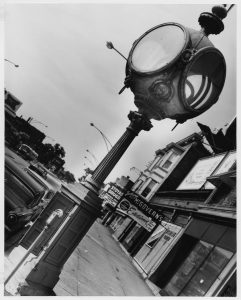
Clarence John Laughlin, “Lost” Chicago Clock, Number One. 1963-02-0, Photoprint, 11″ x 14.” I think the way that the clock was shot is what interests me the most. It makes you want to turn your head in order to orient yourself rather than look at it straight on, it’s almost interactive.

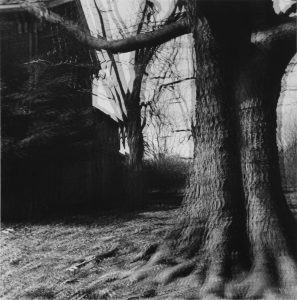
Ralph Eugene Meatyard, Untitled (“Motion-Sound” Landscape), 1969/1974, Photoprint, 7 x 7 inches. The concept behind this photograph is what interests me. I like how Meatyard captures something that can’t be photographed which is the movement of sound.

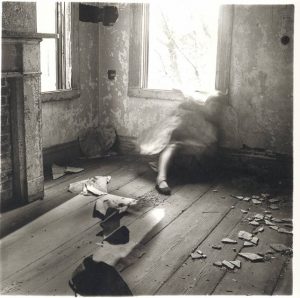
Francesca Woodman, House #3, Providence, Rhode Island. 1976, Gelatin silver print, 6 5/16 x 6 7/16 in. The effects that long exposer can give adds to a creepy atmosphere that I find interesting. What interests me is how she made herself disappear into the wall.

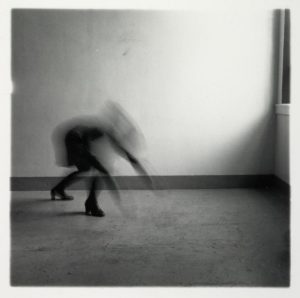
Francesca Woodman, Space², Providence, Rhode Island. 1976, Gelatin silver print on paper, 140 × 140 mm. Something that interests me is how movement is captured in this photo. It is also interesting that the person’s identity is obscured.
Harry Callahan, Sunlight on Water, 1943, Vintage gelatin silver print, 8.25 x 11.43 cm. What interests me about this photo is how light is being played with. It is especially interesting that the light is being observed in water which gives an abstract effect.

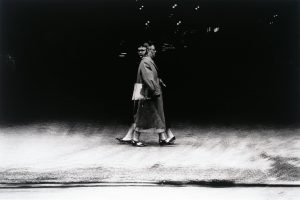
Harry Callahan, Chicago, 1955, Gelatin silver print, 7 1/2 in. x 11 1/4 in. What interests me about this photo is how it not just a usage of long exposure but also the usage of directing your subject. The two people walking toward each other makes the two subjects lose themselves into each other.

Photobooks

http://selfpublishbehappy.com/2018/04/frozen-by-sarah-michelle-riisager/

Sarah Michelle Riisager, Frozen.

What I like about this photobook is that it takes the title literally in the sense that it is winter and the world outside is frozen but there is also a symbolic meaning that I see. The people that are photographed appear to be frozen similar to the snow outside.

http://selfpublishbehappy.com/2018/04/god-bless-new-season-cafe-by-hollie-smith-in-collaboration-with-leskgraphic-studio/

God Bless New Season Cafe by Hollie Smith in collaboration with LeskGraphic-Studio.
What I like about this photobook is how the pictures don’t come off as directed, the people in the photographs are going about their day and these photos merely capture that. The colors also work well with each other, the pops of color but it also visible that the area is rundown but bustling with activity.
In Pictures, a Family’s Odyssey from Poland to South Africa

Oluremi C. Onabanjo, In Pictures, a Family’s Odyssey from Poland to South Africa, March 5th 2020.

What interests me about this article is how the author notes that the photo seems boring when someone looks through it; however, when it is put into context, there is a story to be heard. I resonate with this idea that any picture can seem boring but when you care to understand its story, you see more than you did originally.

https://shop.foam.org/en/foam-magazine-56-elsewhere.html

Amal Alhaag et al. Laia Abril et al. Elsewhere The Other Issue, Printed on selected specialized paper, 300x230x23 mm.

What interested me about this magazine was the message the photos and text conveyed. The different ways each photographer showed underrepresented communities and resistance in their own ways.

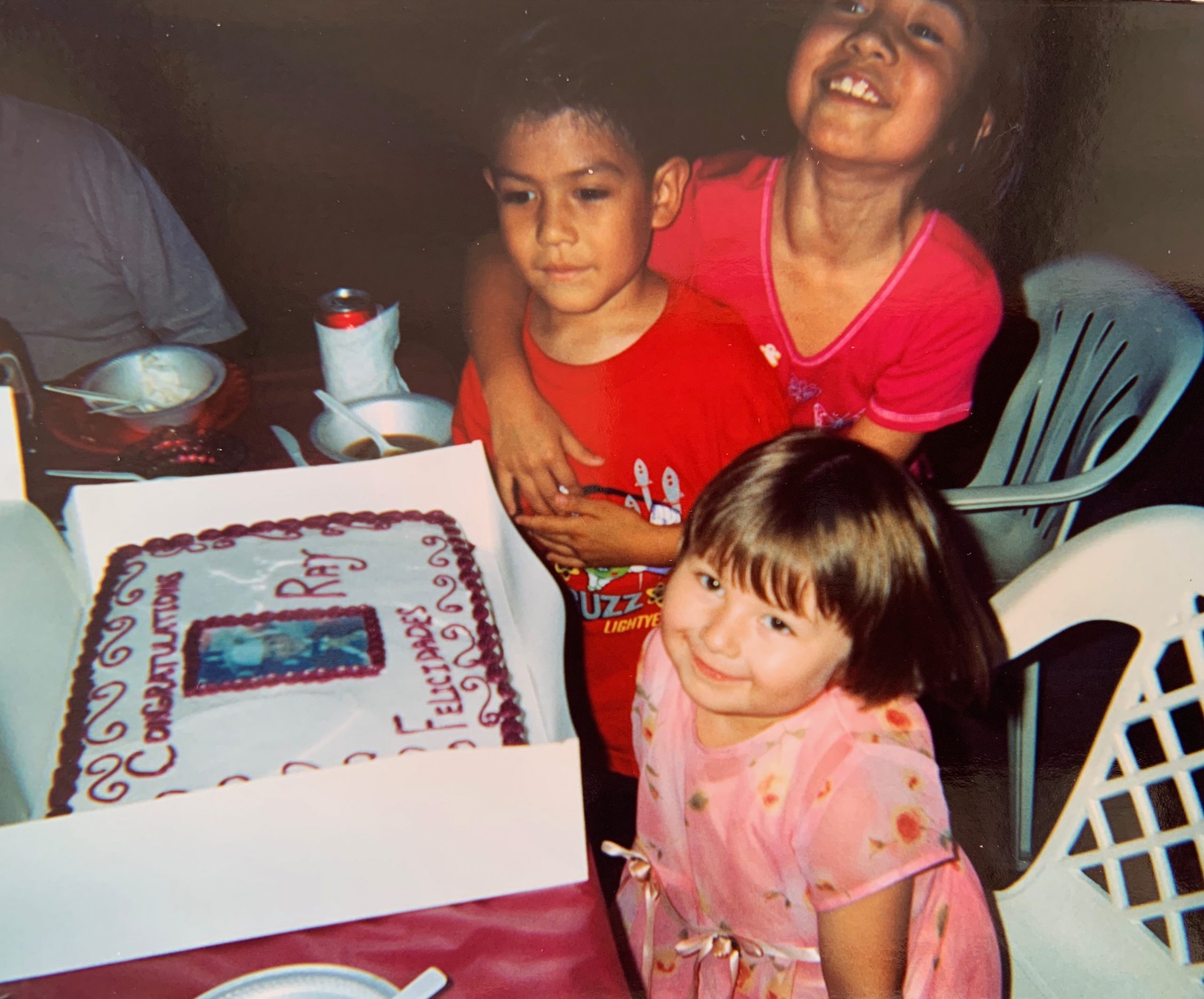
Family Portrait – Ray

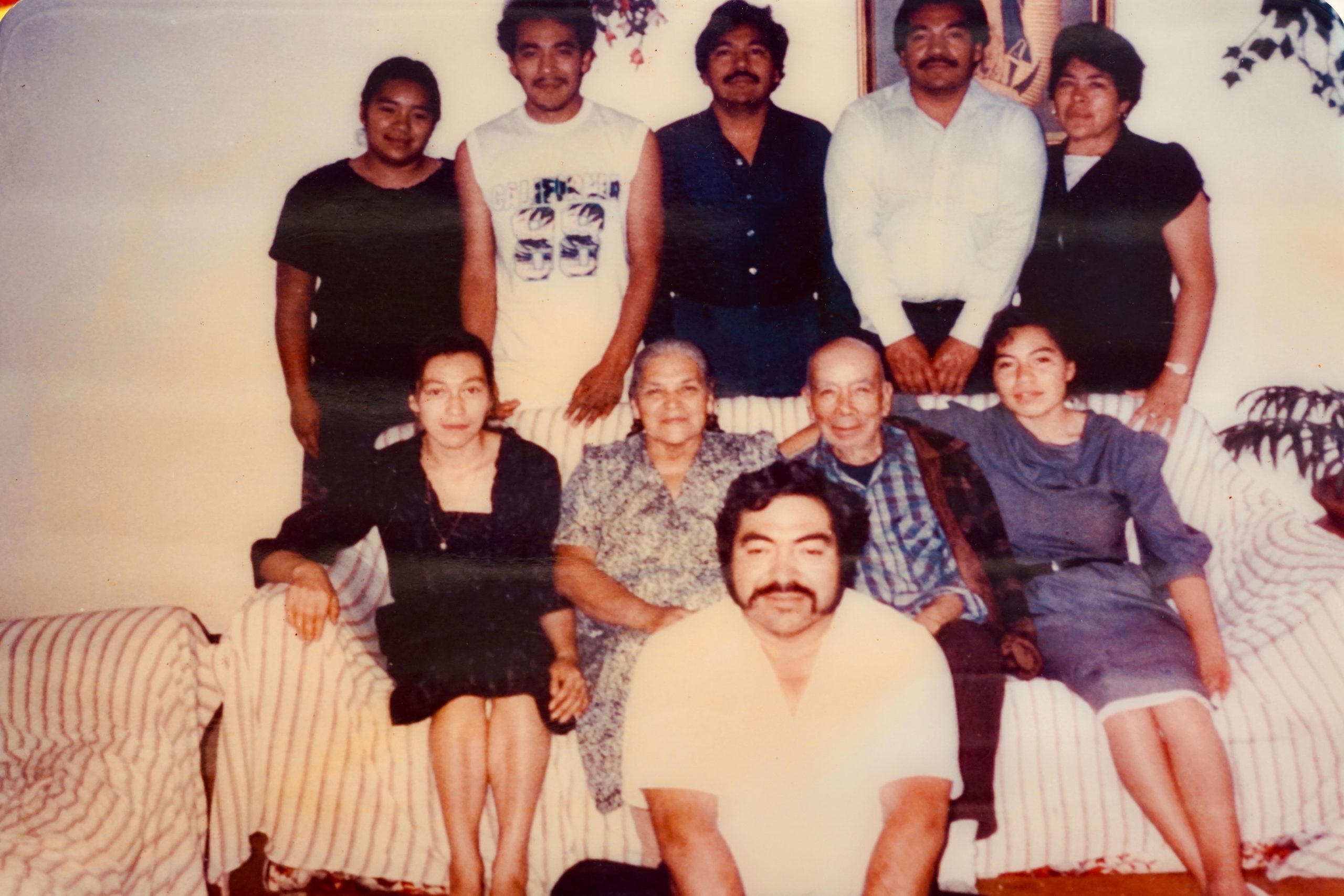
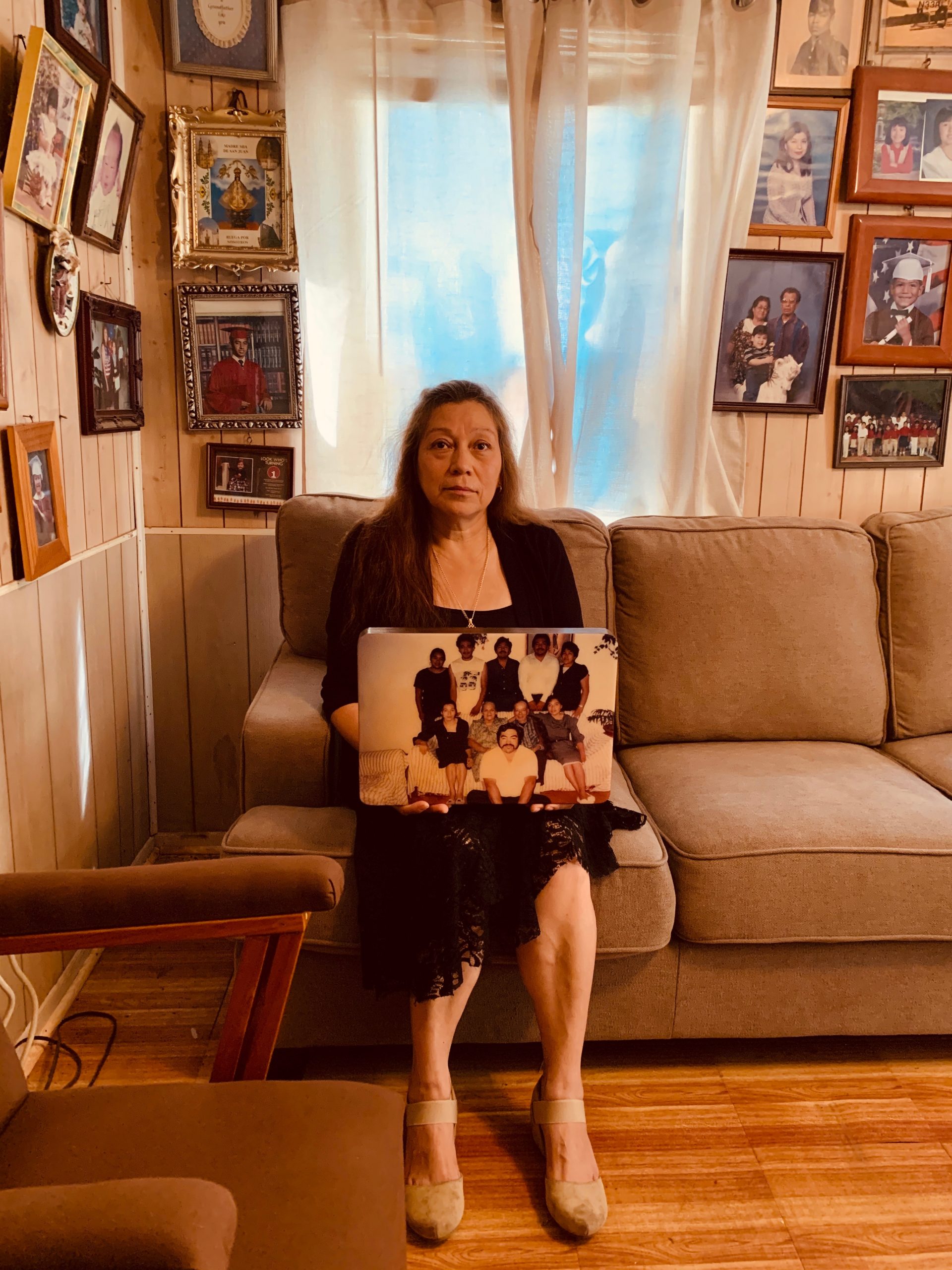
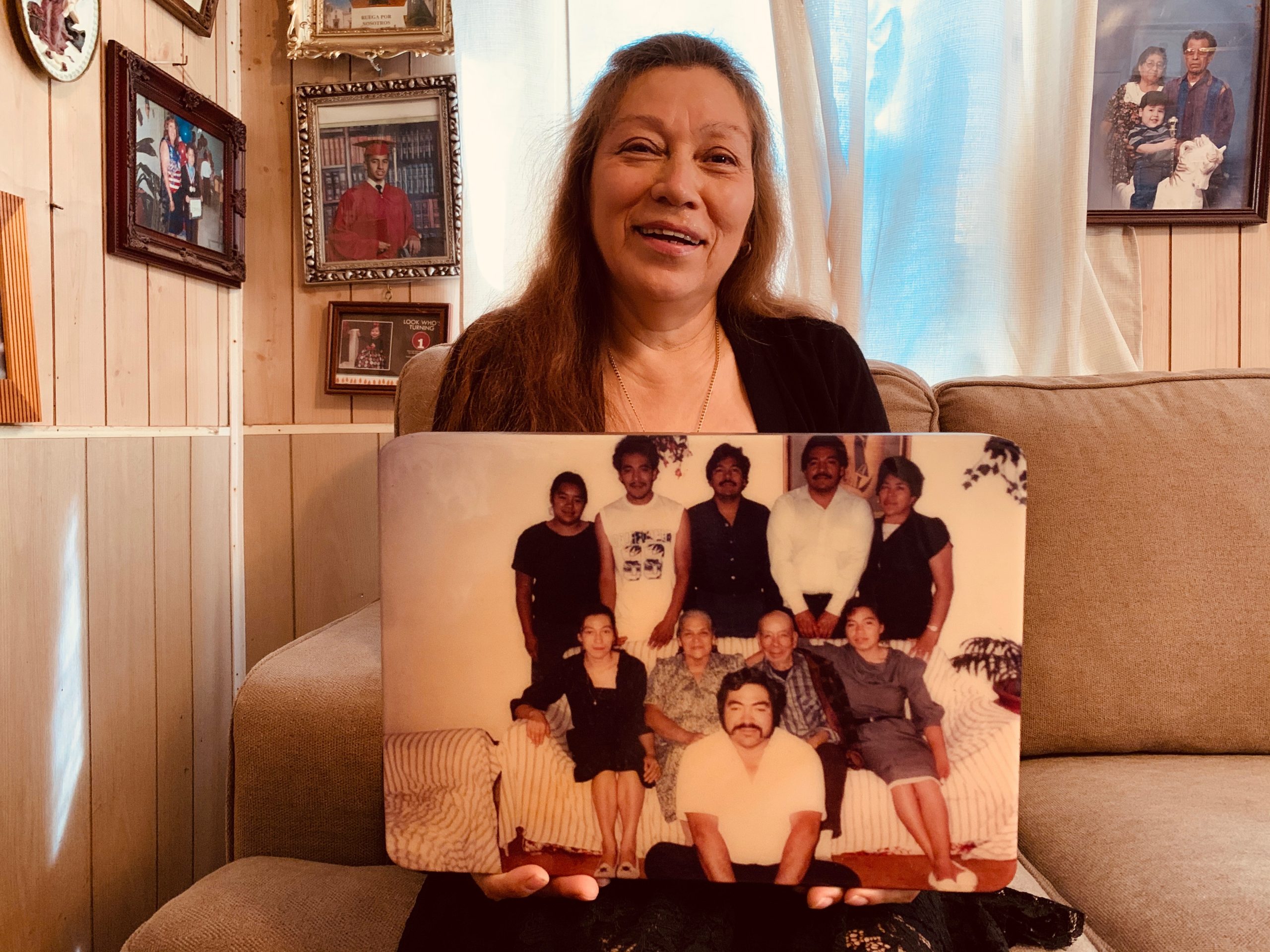
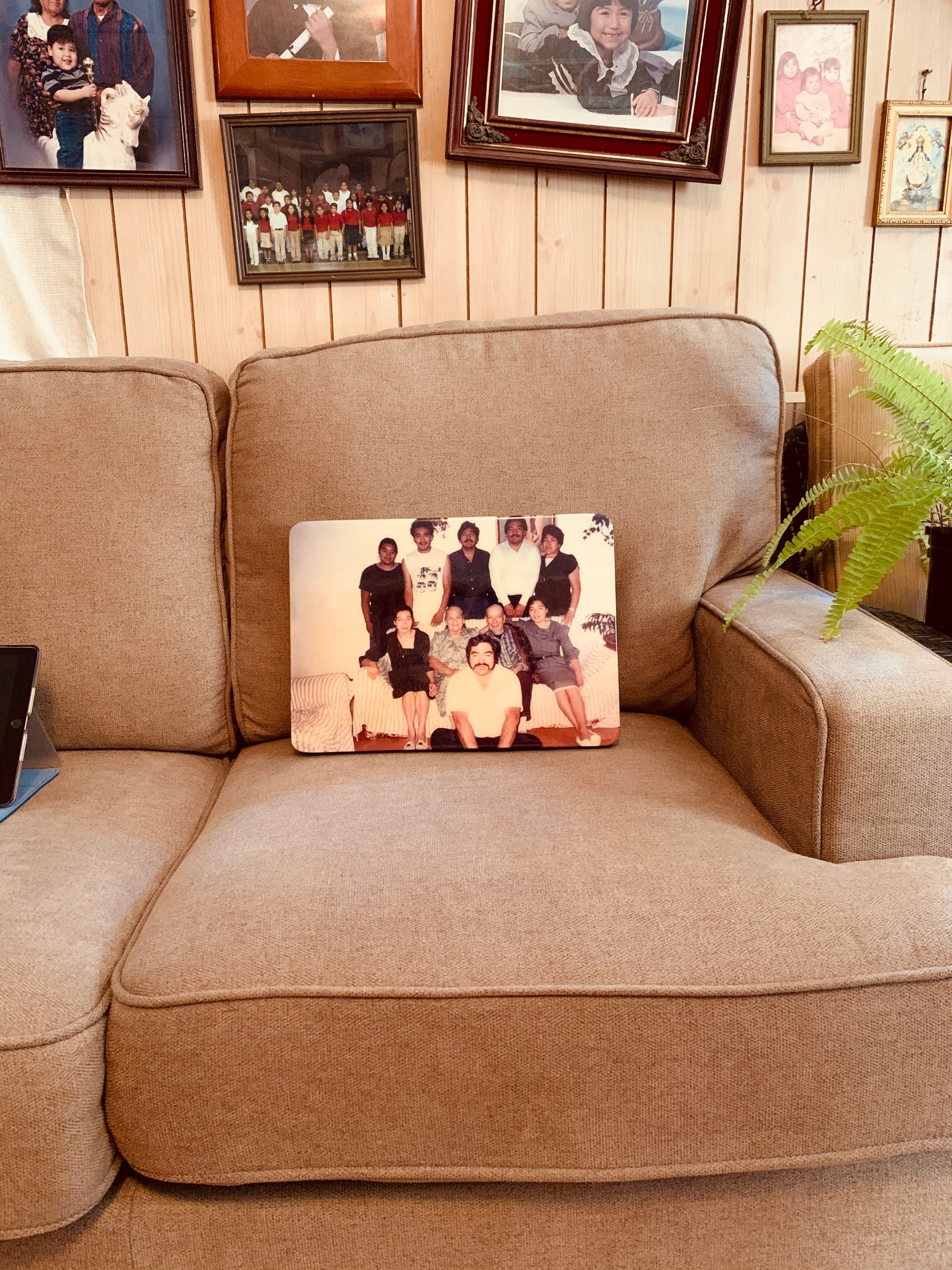
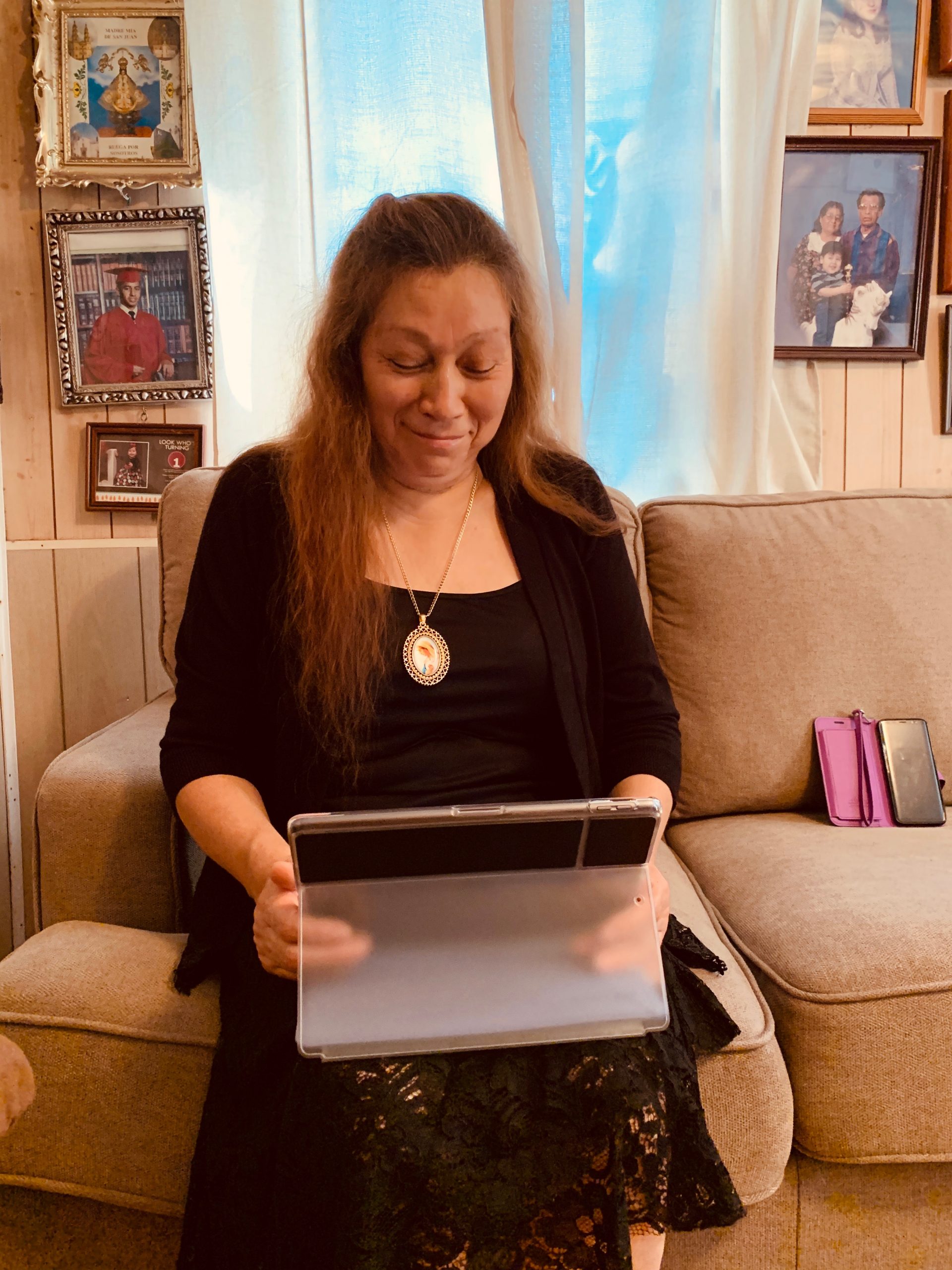
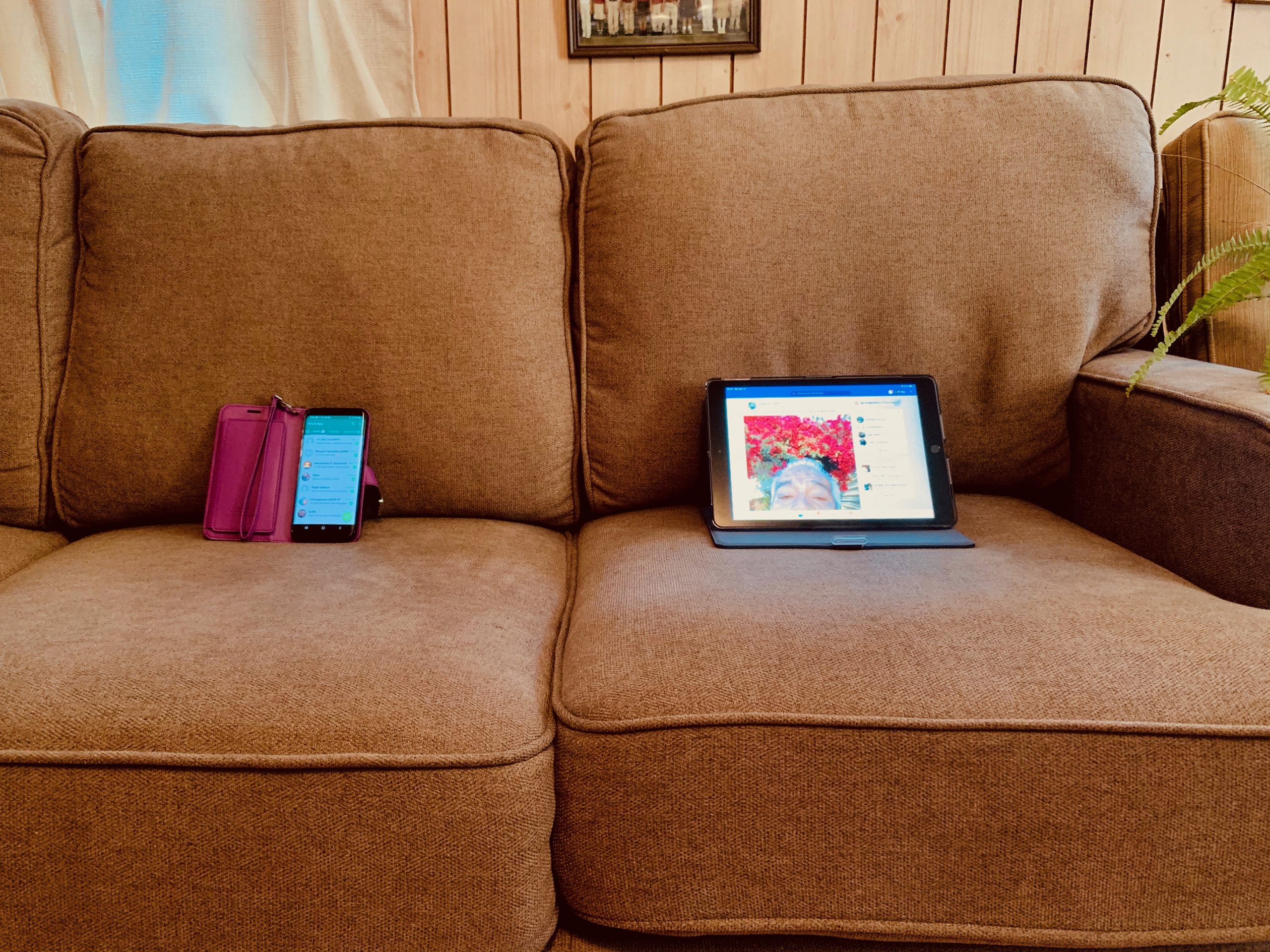
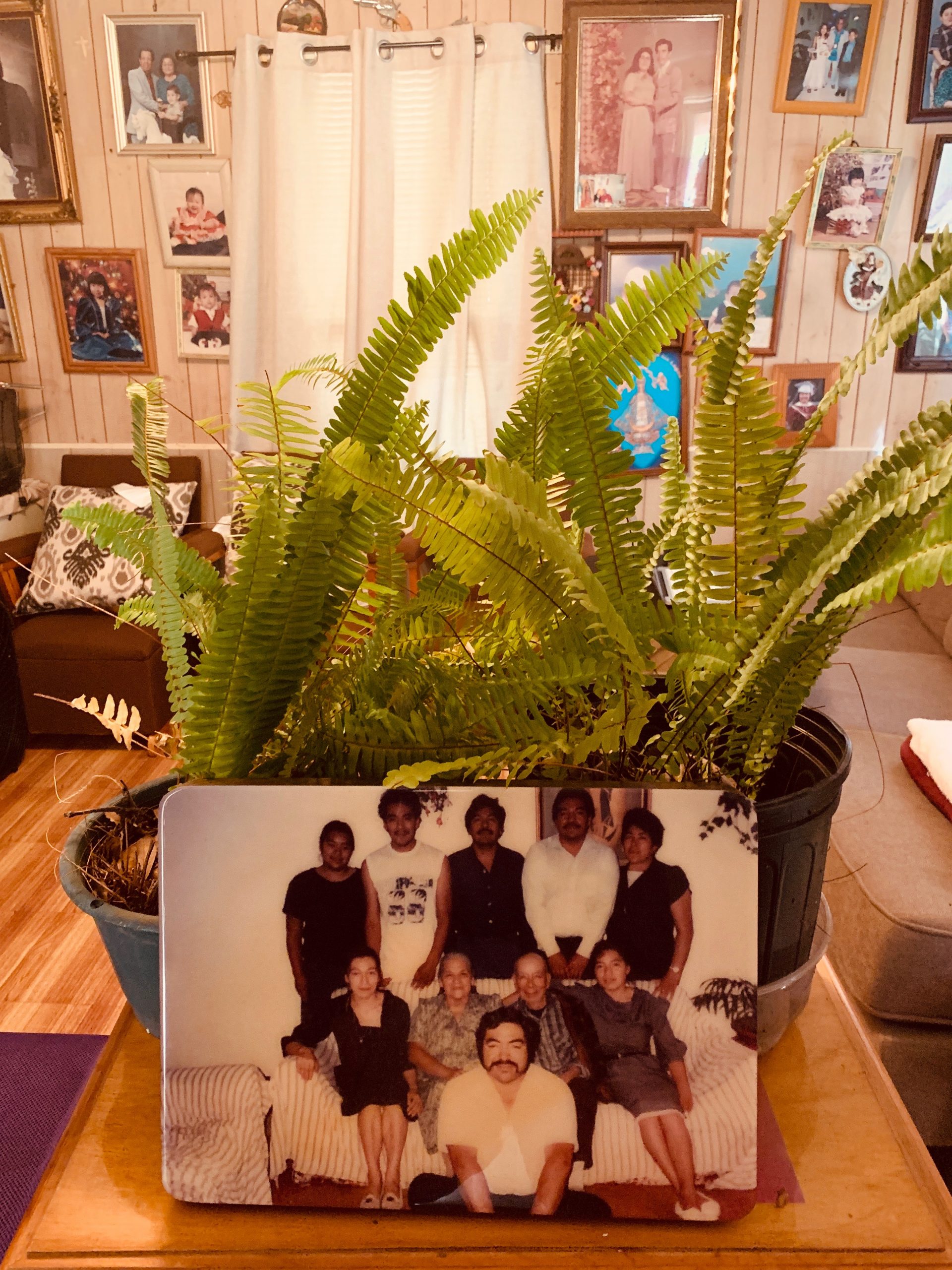
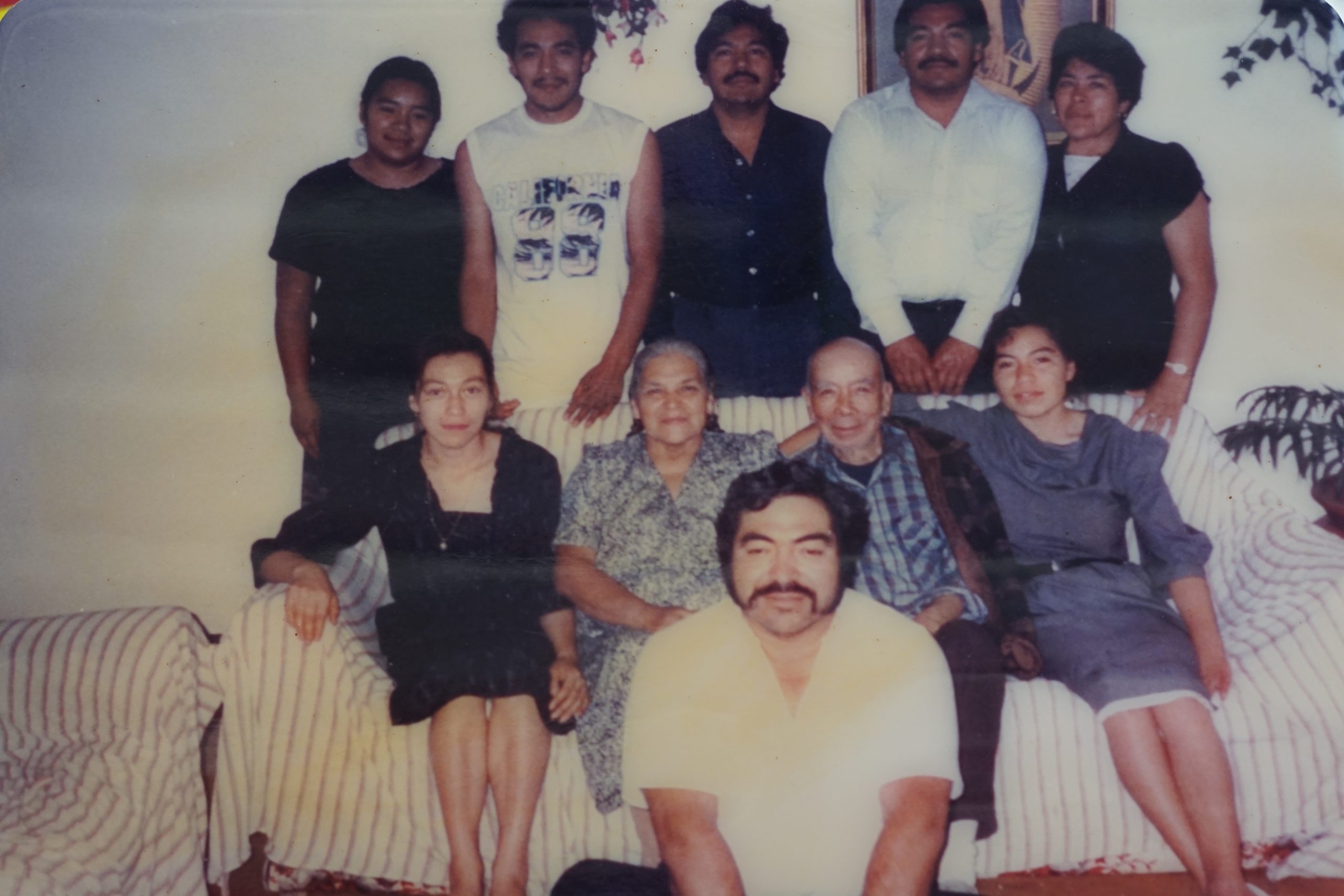
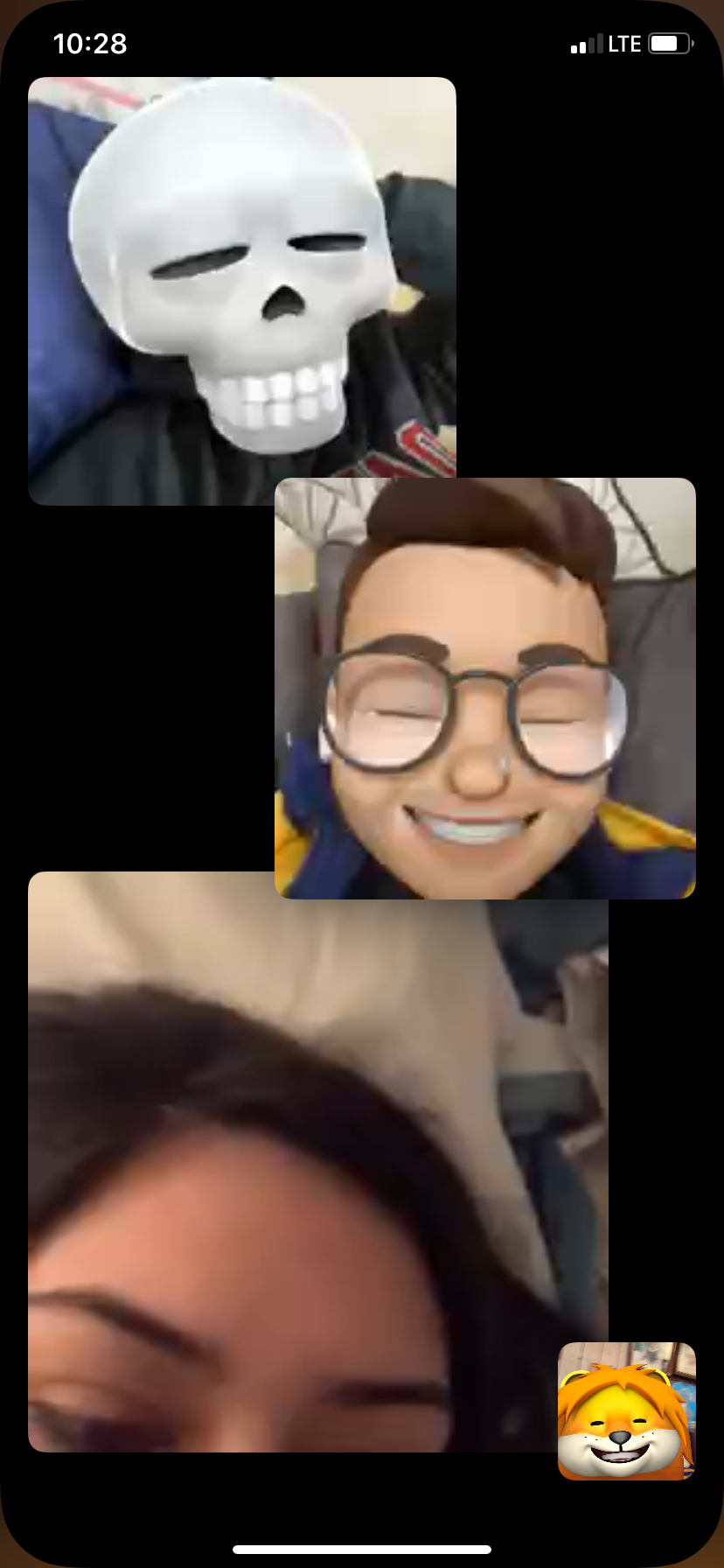
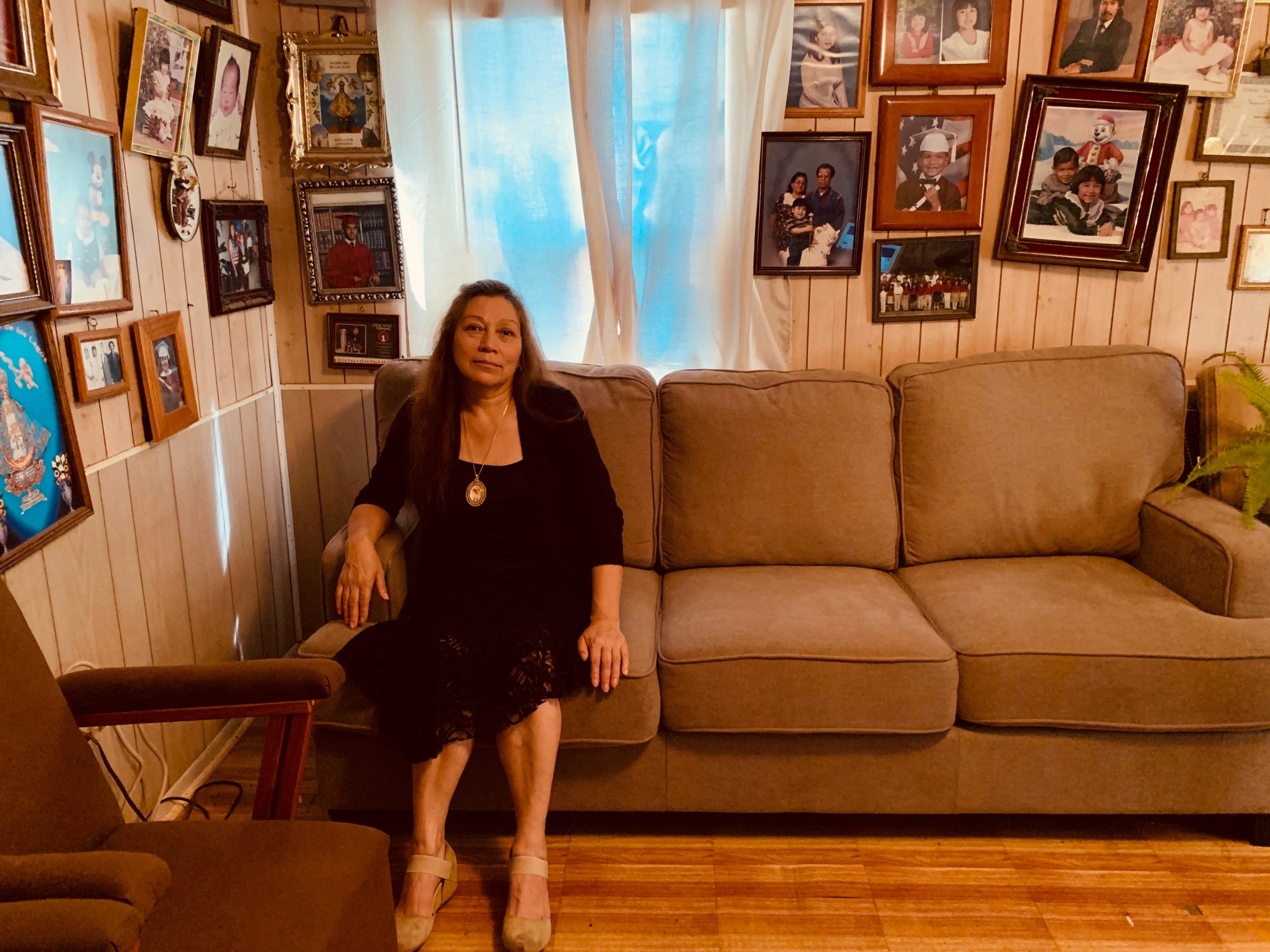
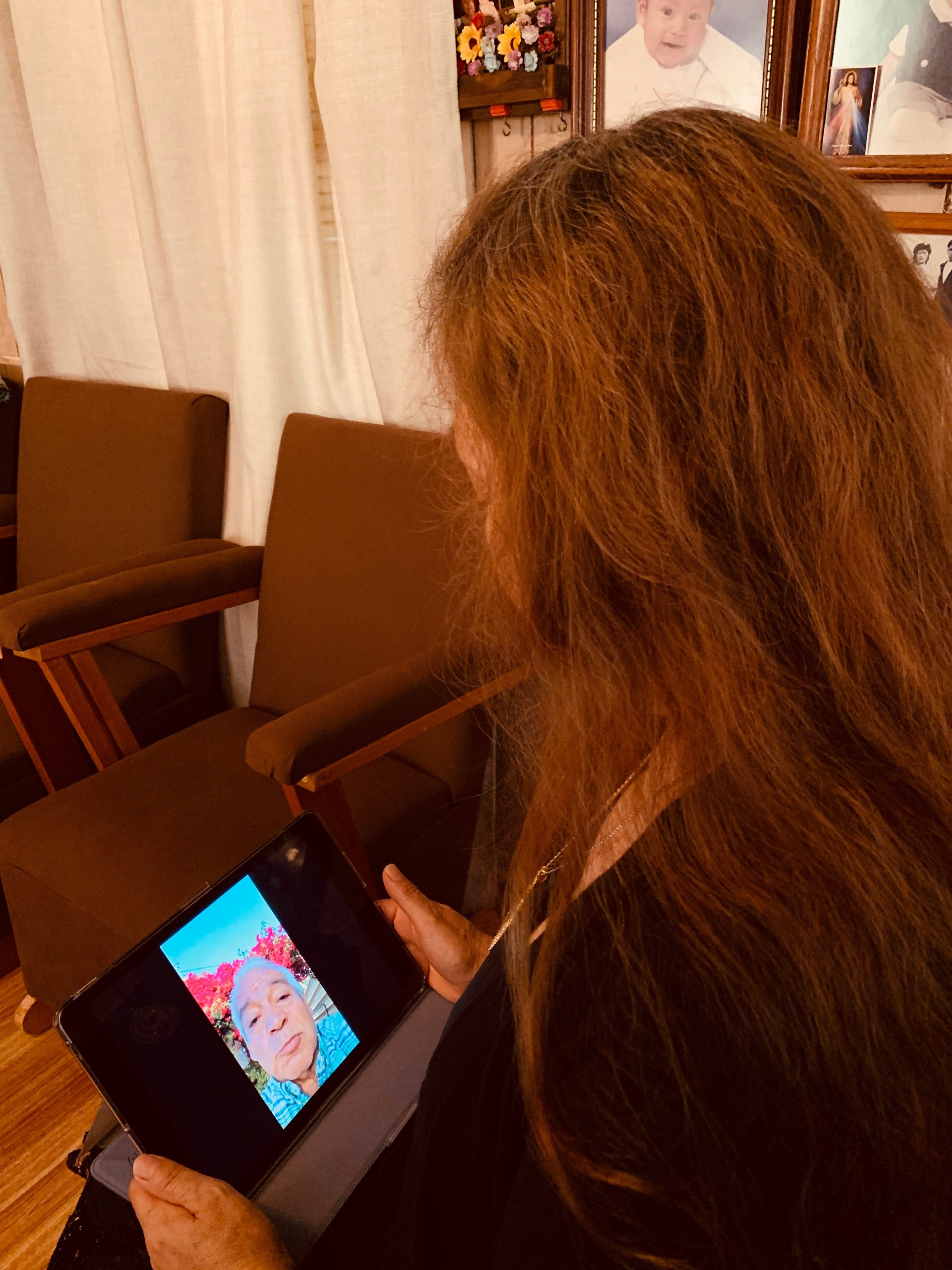
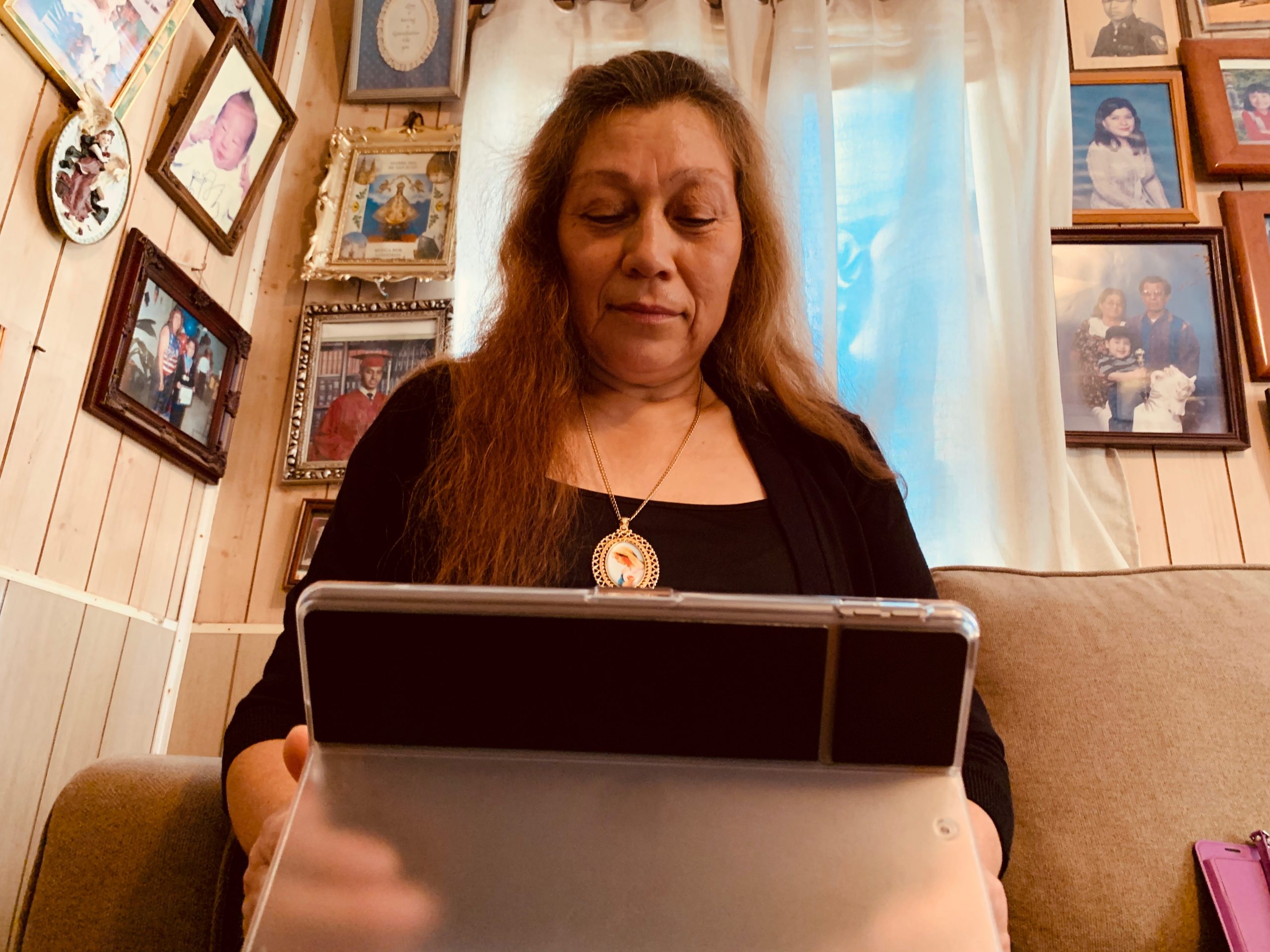
I decided to try to emulate a picture of my mother’s family. Three figures in the center of the original picture, my grandfather, grandmother, and tio Pricy, have passed away. Additionally, my aunts and uncles live in different places throughout the United States and Mexico. Thus, we only see each other when everyone is in Michoacan, Mexico during winter break. Despite this, I wanted to show that my mom and her siblings have found ways to stay connected through technology.

Inspiration

Pictures

Source: https://www.theatlantic.com/family/archive/2020/03/coronavirus-quarantine-socializing/608020/

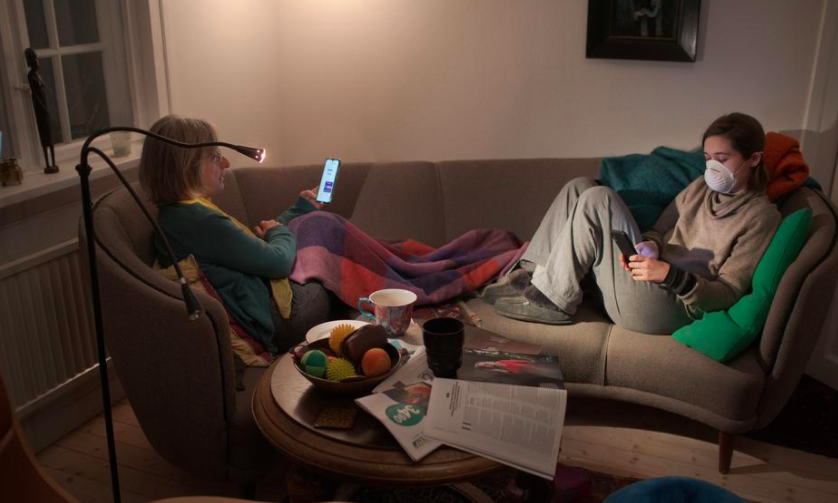
Source: https://www.reuters.com/article/us-health-coronavirus-norway-quarantine/how-quarantine-in-my-childhood-home-brought-my-family-closer-idUSKBN21K23M

Essays/Newspapers/Etc.

“True, ‘tribe’ is a troublesome word, bearing the weight of decades of anthropological study that privileged Western civilization over all other traditions. But let us rescue it here, pare it down to its simplest meaning, as a name for the first human communities that formed beyond the primal bonds of kinship — the beginnings of the great experiment we call society, which taught us to be human. Before there was a self, there was the tribe.” – Ligaya Mishan, “What is a Tribe?” https://www.nytimes.com/interactive/2020/04/13/t-magazine/tribe-meaning.html

“The 1,200 miles between us are made smaller by technology. We talk on the phone and see each other on FaceTime, although my grandmother is still learning the fundamentals of video chatting and sometimes I end up looking up close at her ear for a bit.” – Ali Jaffe, “Cooking Through a Crisis with Grandma, Virtually” https://www.nytimes.com/2020/03/24/well/family/coronavirus-cooking-grandmother-facetime.html?searchResultPosition=10

“They FaceTime me. I’m 10 feet away, on coronavirus quarantine in the master bedroom, and I have been here for days. My partner, who has a demanding corporate law job, is now working from home and saddled with all of the physical work of child care, while I quack orders from the other side of the closed door.” – Kevin Noble Maillard, “Parenting by FaceTime in Coronavirus Quarantine” https://www.nytimes.com/2020/03/20/well/family/parenting-by-facetime-in-coronavirus-quarantine.html?searchResultPosition=11

Daniel Winter Garden


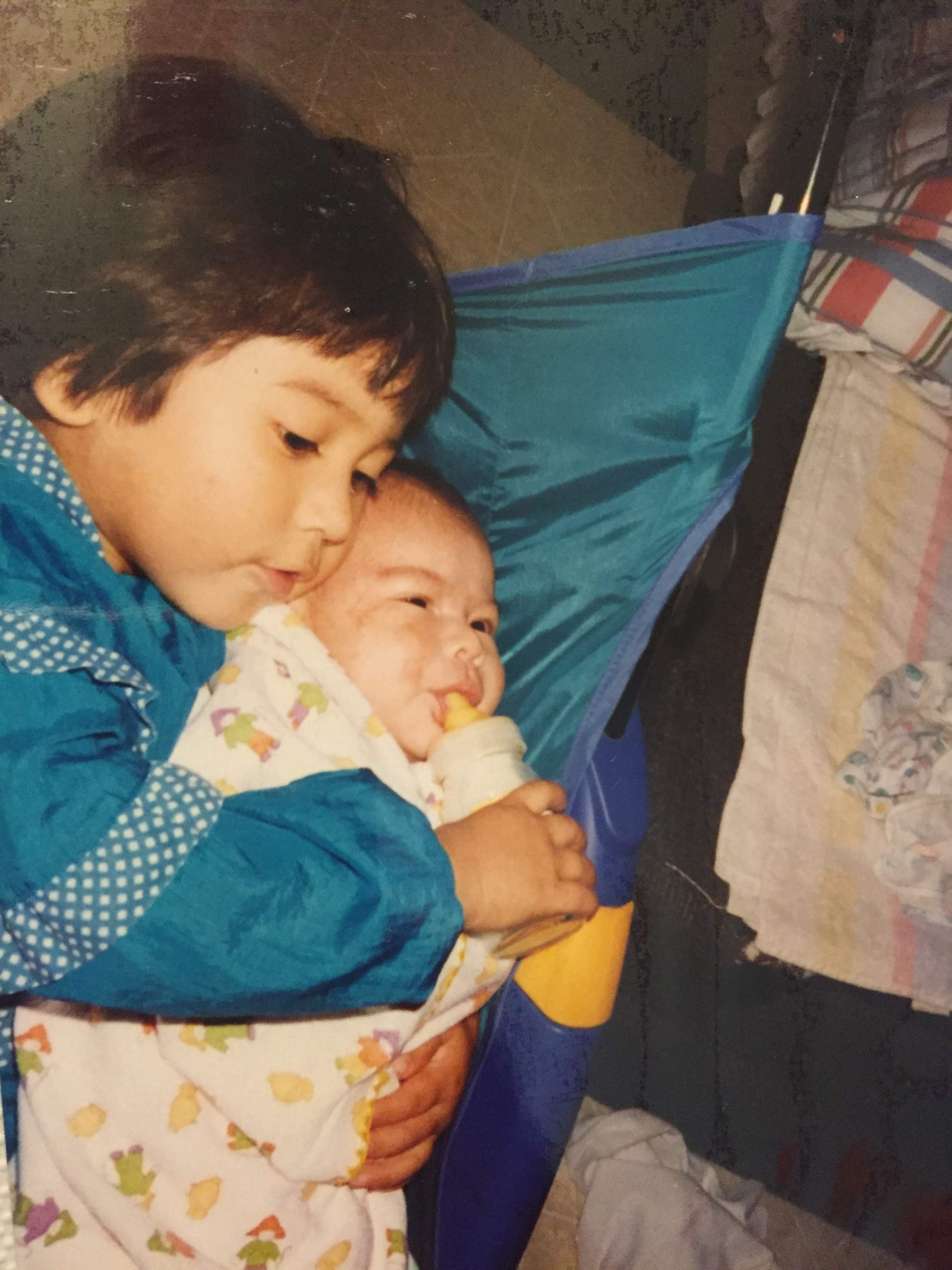
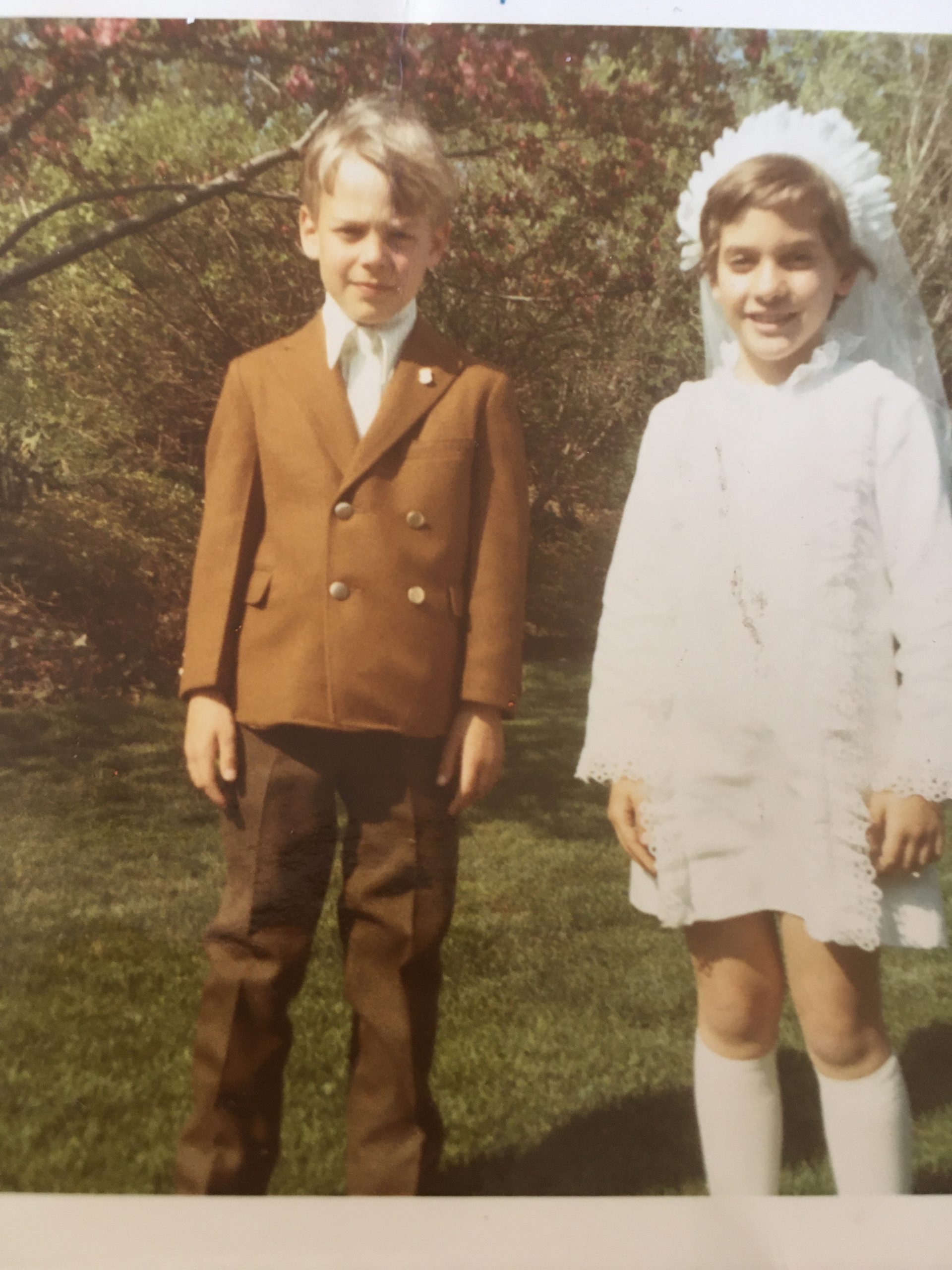
I didn’t have the opportunity to go through family photo albums because I am not at home but I was able to scroll through photos on my phone and computer and discovered this photo in a family group chat. I was struck by it due to what seems like the visual similarity between it and the winter garden photograph. Two children standing apart from each other, here in what is likely spring. But for me I was not struck with the same chord of emotion.

All the context I know of this photo is that she standing with her cousin, someone I have never met nor know they name of. Perhaps for me then he is the punctum, this presence of someone familiar to my mother at the time but so unfamiliar to me that creates a distance from me. I also have a difficult time recognizing my mother in this photo which is another sort distancing. It does capture a likeness that reminds me of my mother or the seed that I feel has grown into who she is now.

I know that this perhaps was not the point of the excercise– to find a photo that does not capture the essence of my mother–but I find it almost as interesting. How does time or angle make takes someone likeness away and what does it feel to be distanced from someone you love by not being able to recognize them?

I also was interested in the photo because it does not convey a neccessary warmth or care which might be considered some of my most primary emotions associated with my mother (and Barthes as well). I am interested how we take photos of ones we love and care about when there are also complicated sides of those relationships that often remain unexpressed.